Gartner stories
Marketers weighing customer-engagement platforms may see Braze's latest Gartner ranking as a signal of stronger execution and vision in a crowded market.
The recognition strengthens Boomi's pitch to enterprises that want tighter control over APIs as AI projects increasingly depend on governed access to data.
Banks facing expensive digital platform exits will get migration support from Plumery, which is waiving licence fees for up to 24 months.
Rising production incidents and AI governance gaps are driving demand for Komodor's platform, which lets teams run and control agents at scale.
The restructure aims to cut handoffs between sales, support and implementation as software buyers demand clearer ownership after purchase.
The appointment comes as Omnissa looks to bolster its position in endpoint management software amid the rise of AI agents in workplaces.
Software teams are spending more on review and debugging as AI now writes at least half the code for 42% of developers, a survey found.
It boosts Iron Mountain's push into AI-ready records management as the platform gains broader analyst attention across document processing and analytics.
Autonomous agents, soaring AI bills and new governance demands could strain public services and reshape how firms manage costs, jobs and power use.
Quick wins in report creation and automation are tempting, but Gartner says CFOs must weigh AI spend against longer-term gains and skills gaps.
Widening AI use across office teams is leaving many firms exposed to security and governance risks, the company says.
With Fortune 500 firms expected to deploy vast armies of agents, the alliance aims to curb access risks as AI tools spread across business systems.
Enterprises could cut AI ingestion errors and token costs as the new tool keeps sensitive documents on premises or in a chosen cloud.
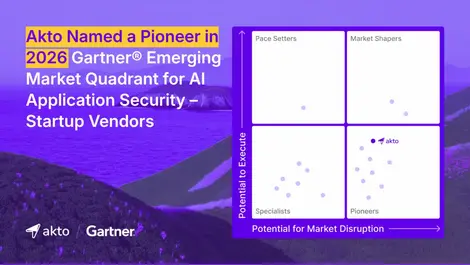
Enterprises are seeking stronger controls as use of generative AI and autonomous agents widens across both internal tools and customer products.
F5's recognition comes as enterprises scramble to secure AI agents and APIs, with 88 per cent reporting AI security challenges, its research found.
Pressure on overstretched security teams is driving Thrive to add Elastic and Cato Networks to its NextGen platform, widening detection and access controls.
The rankings underline a shift towards consolidated automation platforms as enterprises juggle AI agents, bots and regulated workflows.
Software supply chain weaknesses are becoming the main entry point for attackers as development pipelines expand without enough oversight.
Rising storage and ingestion bills are pushing security teams to trim telemetry before it reaches analytics, as AI swells data volumes.
The recognition underscores growing demand for systems that turn scattered data into faster, governable decisions across large enterprises.