AI Safety stories
The incident has prompted warnings that autonomous AI can now probe government defences at machine speed, exposing gaps in oversight and resilience.
Survey results show widespread anxiety in Australia, with 84% expecting AI to drive more cybercrime and many victims still silent.
Only 20% of Australian organisations say they fully understand AI cyber risks, leaving boards exposed as phishing and deepfakes grow more credible.
The breach highlights how AI agents can keep probing blocked systems, prompting calls for stronger defences around identities, networks and data.
Machine-generated requests now account for more than half of Fastly's network traffic, intensifying pressure to govern AI costs and security.
Security teams may cut backlogs as Wingman finds, fixes and verifies flaws inside AI coding tools before pull requests are opened.
The Danish cloud data protection group's nine-figure run underscores demand for independent backup as firms link AI adoption to data trust.
Security teams can now spot unsanctioned AI use across Windows estates, as Bitdefender adds risk ranking and policy controls to GravityZone.
Australia has launched a taskforce after an AI agent accessed non-public Medicare files and other government data, Albanese said.
Enterprises adopting AI agents are getting tighter oversight and data boundaries as UiPath expands controls across automation, integration and deployment.
Skills shortages and stricter oversight are pushing banks to seek safer AI tools for mainframes, with new controls aimed at keeping actions auditable.
Many firms still cannot stop AI agents from causing damage before execution, leaving systems exposed to production outages and data loss.
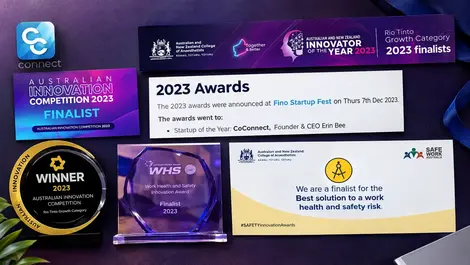
Its offline safety app for mine workers will be sharpened with Google help, as Co Connect joins a 15-startup AI cohort.
Security teams can now use narrowly scoped agents to triage alerts, investigate cases and check systems without giving AI unrestricted access.
Widening AI use across office teams is leaving many firms exposed to security and governance risks, the company says.
Attackers are exploiting AI faster than many defences can respond, prompting a shift to continuous testing for hidden exposures.
A free tool on macOS now gives AI tasks separate, disposable internet connections, helping keep users' IP addresses distinct from agent activity.
The technology's next test is whether it can cut energy use and waste as firms face growing pressure to deploy AI more responsibly.
It aims to widen access to personalised money guidance as consumers increasingly turn to AI for budgeting, investing and tax help.
Only 8% of UK public sector IT professionals say AI is fully governed, leaving frontline services exposed as adoption races ahead.