AI Safety stories
Only 9% of Australian organisations can fully trace AI behaviour in production, leaving boards exposed as systems move into live use.
Marketers will gain more automated personalisation and compliance checks as the software maker deepens its ties with AWS.
Routine junior tasks could soon be handed to AI agents, forcing firms to redeploy early-career staff towards strategic work, UiPath's CEO says.
Firms using AI to code may get tighter oversight, as the platform logs approvals, prompts and spending inside shared workflows.
Rising production incidents and AI governance gaps are driving demand for Komodor's platform, which lets teams run and control agents at scale.
Regulated firms could search and export archived messages through AI while keeping existing permissions, audit logs and chain-of-custody controls.
Security teams are gaining real-time audit trails and controls as eSentire folds the stealth startup's AI monitoring module into Atlas.
Firms deploying AI agents may gain extra protection as the new setup can block risky actions before they reach systems, in under 100 milliseconds.
Growing concern over autonomous AI systems has helped the Austin-based startup secure fresh backing to expand sales and revenue growth.
With attackers exploiting flaws within hours, the firm will test whether AI can help IT teams patch faster across mixed device fleets.
Enterprises face new controls as the partnership aims to stop autonomous AI agents from accessing data, credentials and tools unchecked.
Enterprise users should gain tighter control over AI agents, as SAP and NVIDIA link runtime isolation with business authorisation and audit trails.
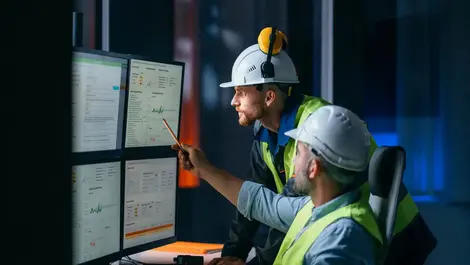
Workforce readiness is becoming the main obstacle as industrial firms in Asia Pacific race to use AI without losing vital site expertise.
Many security chiefs expect to curb AI agent use within 18 months as fears grow over unauthorised access and weak audit trails.
With most firms using AI but few staff ready, the course targets non-developers handling sensitive data and automations at work.
AI is speeding up attacks by finding existing weaknesses, leaving organisations and SMEs exposed to faster, cheaper intrusions.
Businesses trialling AI agents now have a public benchmark to judge whether they can handle exceptions, learn and stay reliable in operations.
Companies can now test third-party AI systems without source-code access, as Monitaur opens FlightSim to standalone users before deployment.
The funding will help Autoheal expand software that cuts incident response and remediation times for enterprises running AI coding tools in-house.
Regulated firms are adopting its automation tools faster than many rivals, with the Manchester startup processing five million cases in under three years.