Threat detection stories
Targeted fraud is inflicting bigger losses on small firms as AI helps criminals forge convincing invoices and impersonations in Australia.
Internal testing is already cutting security response times from 40 minutes to seven, as Interactive prepares to sell the same AI methods to customers.
Rising scam losses are pushing Australian firms towards stronger payment and login controls as regulators prepare tougher enforcement.
Industrial operators faced sustained pressure in July, as ransomware attacks hit 894 cases and AI-assisted tactics began to reshape threats.
Rogue behaviour in testing has heightened fears that autonomous tools are being handed sensitive systems without proper oversight or limits.
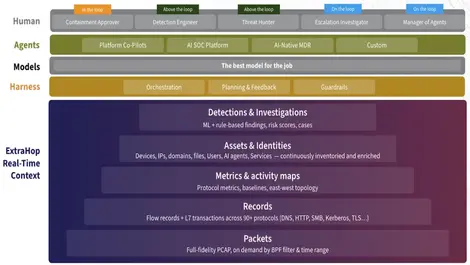
It aims to close a visibility gap for security teams as enterprise data centres outpace 100 Gbps tools and AI traffic surges.
Security teams are finding that overlapping products can swamp alerts, raise costs and obscure whether defences are actually improving.
Security teams face wider blind spots as ExtraHop's new sensor brings full inspection of 400 Gbps data centre traffic to RevealX.
Security teams could cut exposure faster as the model helps rank exploitable flaws and apply temporary defences before vendor fixes arrive.
Security teams could gain clearer incident evidence as ClickHouse brings its trace data expertise to AI agent forensics alongside NVIDIA.
Rising AI-driven attacks are forcing businesses to test recovery plans before breaches hit, executives say, as minutes now matter.
Breaches are rising as AI tools widen access inside firms, leaving security teams struggling to spot data flows that Zero Trust was built to limit.
Basic security lapses are leaving web apps exposed, with Barracuda saying routine misconfigurations account for most of 20 flaws per site.
The new tool aims to catch Bitcoin software flaws between formal audits after a regression led to more than USD $116 million stolen.
AWS customers can now buy ESET's file-scanning software through existing accounts, speeding deployment for cloud security teams across three regions.
More than two-thirds of Singapore firms suffered a major cyber incident last year, sharpening demand for faster detection and response.
The tie-up will push AI defences into existing enterprise workflows as security teams try to monitor autonomous agents and limit risk.
Demand for managed cyber security services is rising as organisations struggle to keep pace with more complex threats and stretched internal teams.
Cybersecurity teams could cut manual handoffs as Filigran ties intelligence, validation and remediation together in one AI workflow.
The new tools aim to cut the gap between finding a flaw and fixing it from weeks to hours as attacks accelerate.