Health and Safety stories
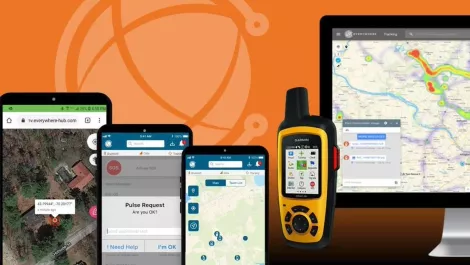
The company has made an APAC distribution agreement with Everywhere Communications for communications, location, and monitoring solutions.
Procore has launched Safety Essentials for construction companies in Australia and New Zealand, providing compliance support and pre-built forms.
The Auckland firm was fined USD $220,000 after a worker’s leg was amputated when unguarded machinery trapped him in a steel beam drill.
Lax hazard checks before manual tree felling led to a worker’s death, with Sullivan Contractors fined and ordered to pay GBP £365,225 in reparations.
Proper training and blade choice can cut workplace injuries, while the wrong knife risks fatigue, recalls and operator mishaps.
A worker suffered severe arm injuries after a tyre shredder was used without guarding, prompting a GBP £450,000 penalty and reparation.
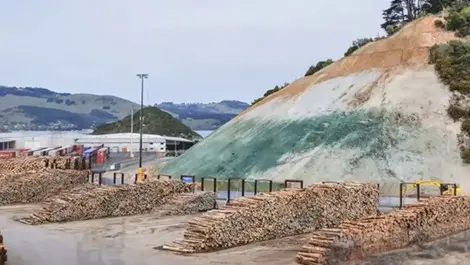
Drone surveying and machine control kept workers off a 70% slope, helping the port slip-remediation finish safely and almost exactly to design.
New rules could change spray planning, training and storage for farmers and contractors after a draft agrichemicals standard opened for comment.
WorkSafe said workers were exposed to dangerous fibres after friable asbestos was stripped from a Queenstown property without a licence or safety plan.
Poorly written tenders can push up whole-of-life costs, as councils later face rework, weaker skills and more project delays.
A communication failure left scaffold workers exposed to caustic soda vapour, causing chemical burns and triggering more than GBP £300,000 in fines.
The University of Auckland’s Waiparuru Hall beat a record field to win the GIB Supreme Award, despite tight logistics and a fixed opening date.
Supervisory lapses during a dive course exposed trainees to a risk of death, after a trainee diver died and the Defence Force was fined.
Hand injuries make up more than a fifth of workplace cases, with construction and maintenance staff facing the greatest risk of amputation.
Three workers were shocked at an Auckland site after unsafe testing and faulty wiring, prompting close to NZD $100,000 in fines.
New qualifications could ease a shortage of facilities managers, after employers said they struggle to find local candidates.
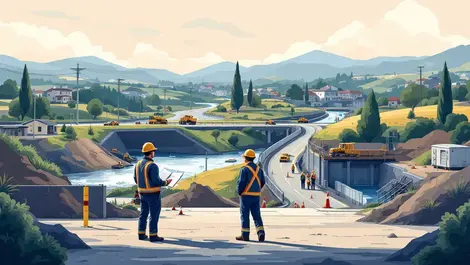
Public safety was put at risk when poorly planned excavation brought down a power pole in Wellington, prompting fines for two men.
He will oversee major incident response, victim services and coronial work as WorkSafe targets repeated harm patterns at source.
Bidders are under pressure to show local benefits, safety gains and clear evidence of capability as major projects become ever more competitive.
Wider use of connected safety gear depends on manufacturers, purchasers and workers keeping pace with fast-changing technology and clear instructions.