Health and Safety stories
Revenue losses from alert-level changes could unlock wage subsidies, cashflow grants and loans for firms and sole traders across New Zealand.
Cut injuries can still strike even workplaces with no recent incidents, Martor Australia says, as safety knives are often overlooked.
A court has ordered VINZ to pay more than GBP £500,000 after a customer was struck by a vehicle at its Hamilton testing site and later died.
Proper PPE can prevent injuries and lost wages, while also saving employers time and money after workplace accidents.
Eight workers suffered chemical burns after poor oversight of Mycoplasma bovis clean-up left sodium hydroxide seeping into gloves.
Seatbelt non-use is behind about 10 work fatalities a year in New Zealand, with farm vehicle deaths accounting for a large share.
Staff shortages and heavy workloads are keeping many industrial and trades workers at work even when ill, a New Zealand survey finds.
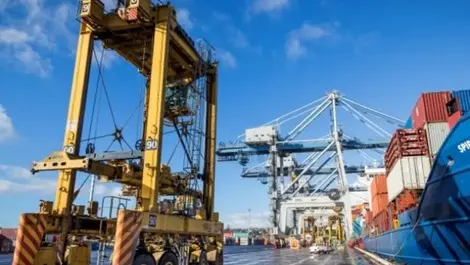
WorkSafe said repeated tip alarm warnings went unheeded before a straddle carrier overturned, killing a stevedore in 2018.
Many external HR and safety consultants now need a Private Investigator licence to conduct workplace probes, or risk breaching the Act.
A Dunedin court has fined a plumbing firm and its director after a bathroom heater installation caused a 12-year-old boy’s carbon monoxide death.
Workplace injuries are less likely if users follow simple blade-safety steps, from keeping focused and cutting away to storing knives securely.
Poor ventilation in crowded buildings can raise airborne infection risks, with researchers urging urgent upgrades to protect workers and students.
A worker’s lack of scaffold experience left him with life-changing injuries after being asked to rebuild the platform, a court heard.
A Manawatu dairy farmer has been ordered to pay a fine after repeatedly blocking inspectors, despite WorkSafe's warning that cooperation is mandatory.
A farm's unsafe side-by-side left a WOOFer dead after she was thrown from the vehicle in a 13-metre fall, WorkSafe says.
COVID-19 has accelerated remote-working and training risks as New Zealand’s workplace safety progress stalls and serious injuries rise.
Six people were left with serious burns after a Christchurch home was destroyed by an explosion caused by a gasfitter’s safety lapse.
More than one million US hand injuries a year are driving calls for better training, cut-resistant gloves and safer tools.
Workplace injuries can be reduced with routine checks, training and housekeeping, helping employers protect staff and avoid costly downtime.
Health and sanitation in many communities could be put at risk as sea-level rise and heavier rain strain wastewater systems.