Extortion stories
Stolen information is now the main pressure point in cyber intrusions, with exfiltration appearing in 83 per cent of cases investigated in the third quarter.
CrowdStrike says legal practices are prized for privileged data, with financially motivated attackers driving 82% of malicious activity against the sector.
Business systems supporting factories, logistics and utilities remain vulnerable, with Australia accounting for 20 of 23 industrial ransomware incidents in the region.
Residential proxies are letting impostors bypass location checks and move quickly through cloud systems before defenders can spot the breach.
Ransomware claims hit a record 1,063 victims in October, even as Australian organisations still faced 2,117 cyber attacks a week, up 39% year on year.
Banks and other regulated firms in three countries will be able to link onboarding checks with ongoing AML monitoring as fraud risks intensify.
The findings show stolen files can reach far beyond the named victim, with the median breach now exposing data linked to 542 other organisations.
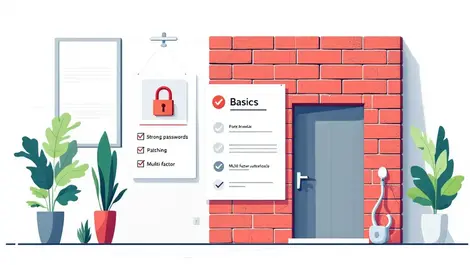
Most attacks still start with weak credentials, unpatched systems or phishing, so the firm says budgets should shore up basics before AI fears.
Attackers are exploiting trusted identities and collaboration tools to steal data and extort victims, leaving defenders with only brief windows to react.
Sensitive data exposure through workplace AI is compounding a 48% annual rise in attacks, with organisations hit by 2,803 per week in September.
Data theft is now driving ransom demands, with average payments rising and attackers increasingly targeting senior staff at exposed companies.
Manufacturers, hospitals and service firms face escalating extortion threats as organised crime drives most attacks across Australasia.
Defenders now have minutes, not hours, as attackers use agentic AI to automate credential theft, scanning and extortion across live operations.
North America and Europe bore most of the 894 July ransomware incidents as NCC Group warned AI tools are accelerating attacks.
Industrial operators faced sustained pressure in July, as ransomware attacks hit 894 cases and AI-assisted tactics began to reshape threats.
Patch windows for SAP systems have shrunk to days, leaving finance and supply-chain operations exposed as attacks and ransomware interest surge.
The privacy company says exposed email data can help criminals make cloned-voice ransom demands sound convincing, putting families at risk.
Identity systems and staff safety are under growing strain as six in 10 Singapore organisations hit by ransomware said attackers used AI.
Boards are being urged to beef up defences as AI tools may soon help criminals automate attacks and target New Zealand organisations more precisely.
Canadian firms are being hit by ransomware at 18.2% versus a 9.0% global average, with web-delivered attacks now overtaking email.