

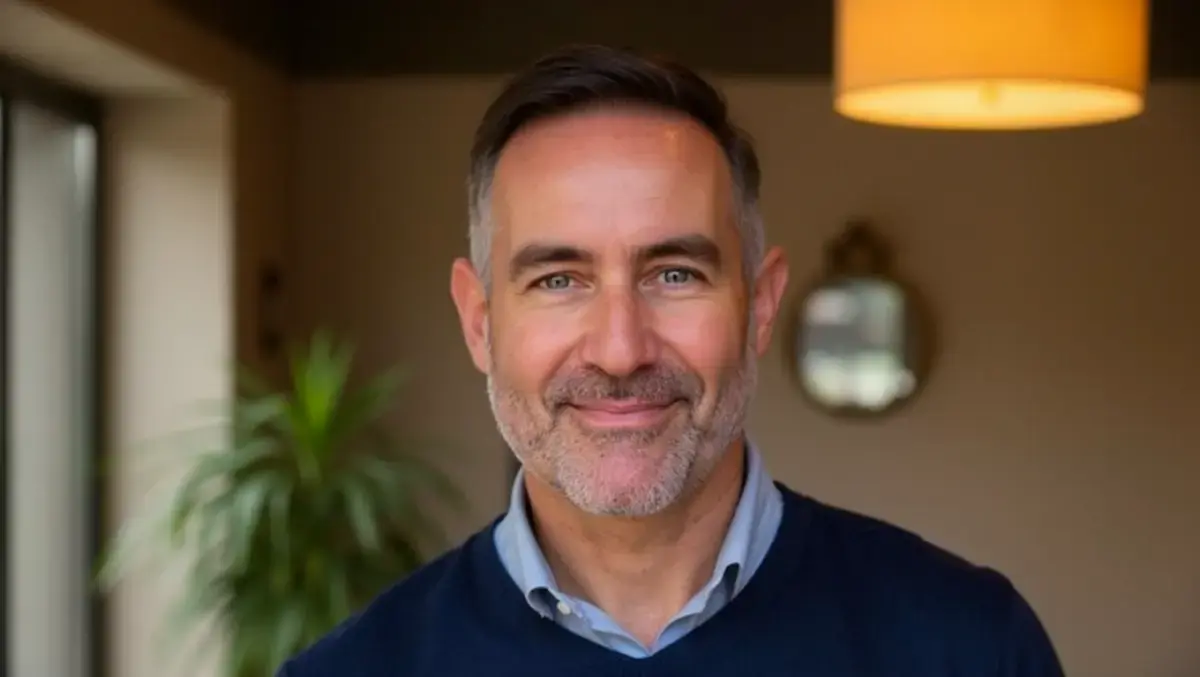
TP opens Bali hub to cut Australian referral delays
Thu, 9th Jul 2026
TP has opened a healthcare support hub in Bali for Australian providers, using the operation to cut specialist referral wait times from days to minutes.
Australian healthcare providers are under pressure from rising demand, staff shortages and higher operating costs, said Maurice Zicman, Vice President of CX Strategy at TP Australia. He said the Bali centre handles administrative and triaging work while patients continue to receive care from specialists based in Australia.
Support work at the hub includes medical triaging, inpatient and outpatient coordination, and specialist appointment scheduling. Pain and spine specialists are among the providers using the centre to manage referrals and patient communications.
The model reflects a wider shift toward nearshore support services for Australian organisations seeking extra capacity without moving clinical care offshore. Bali is being positioned as a location with time zone alignment to Australia and access to multilingual workers.
Zicman said the administrative support is designed to shorten the time it takes to direct patients to the right doctor, particularly in cases involving acute pain or neurological conditions. TP's systems are also being used to help providers manage workflows and referrals.
"Patients still receive care from Australian-based specialists, but the administrative and triaging support happening behind the scenes allows providers to scale faster and operate more efficiently," said Maurice Zicman, Vice President of CX Strategy, TP.
In healthcare, referral delays can affect how quickly patients reach specialist care, especially in disciplines where demand outstrips supply. Providers have also been looking for ways to reduce the burden on clinicians by shifting non-clinical tasks to support teams.
"Australian healthcare providers are under enormous pressure from rising demand, workforce shortages and increasing operational costs," said Zicman.
The Bali hub supports organisations during the early stages of patient engagement, with staff handling intake and coordination before treatment begins. Zicman said this allows clinicians to spend more time on direct patient care.
"What TP is delivering in Bali is the next evolution of healthcare support and improved operation efficiency. Our Bali hub supports health services through the early stages of patient engagement, accelerating their access to care and freeing clinicians to focus entirely on treatment," said Zicman.
Referral process
Healthcare support teams at the centre work alongside artificial intelligence tools in contact centre operations. TP said the combination helps move patients through the referral process more quickly while keeping staff involved in oversight.
"Patients dealing with chronic pain don't want to wait days for a response. Using our skilled healthcare support teams and AI-powered contact centres means they can be immediately triaged with a specialist, drastically reducing referral response times and elevating the customer/patient experience," said Zicman.
Technology is also being used to manage patient communications and operational workflows. Zicman said the mix of staff support and digital tools can lower operating expenditure by about 40% or more for healthcare and other organisations.
Data concerns
The use of offshore or nearshore support in healthcare also raises questions about the handling of sensitive patient information. Cyber attacks on healthcare providers have increased scrutiny of how medical data is stored, accessed and processed across service networks.
"Healthcare organisations are managing highly sensitive patient information and are increasingly being targeted by cyber criminals," said Zicman.
He said secure infrastructure and trusted operating arrangements are becoming more important as healthcare providers modernise their systems and add external support partners. TP argued that larger service hubs can provide scale without weakening data controls.
The Bali operation also points to a broader trend in Australian industry, with businesses turning to overseas support centres not only for lower costs but also for access to labour pools that are harder to find locally. In healthcare, that trend is focused on back-office and patient coordination work rather than direct medical treatment.
"This isn't simply about outsourcing but building integrated global capability that helps organisations deliver faster, smarter and more accessible services for Australians," said Zicman.