

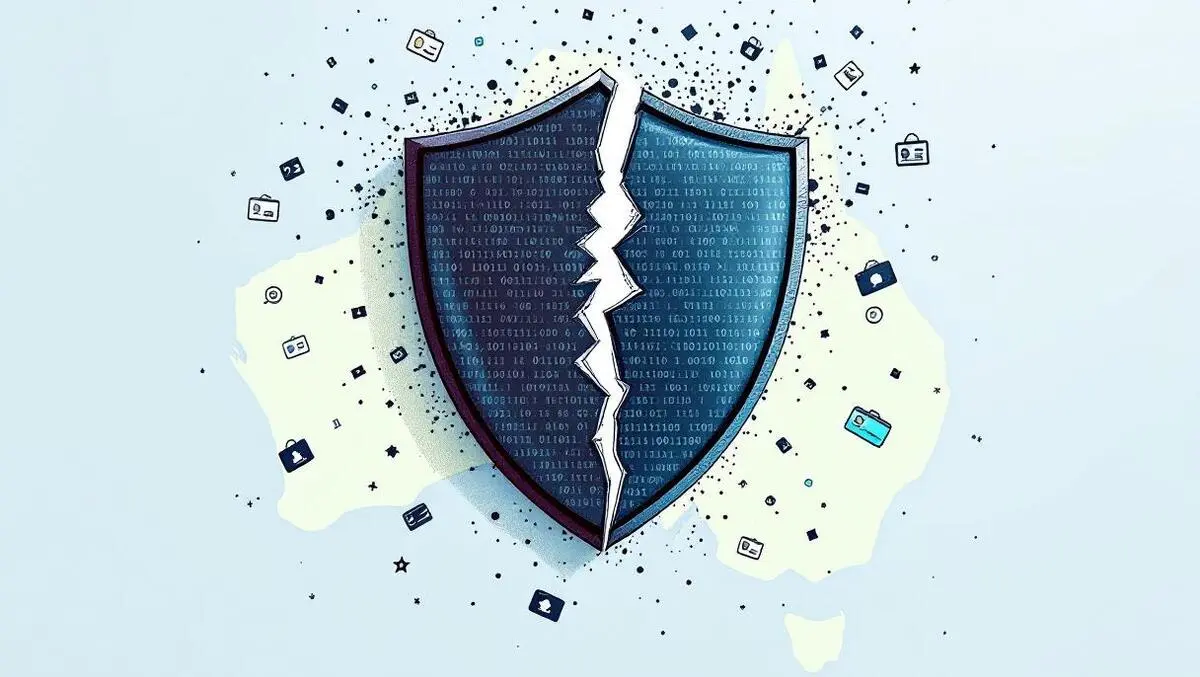
iiNet cyber breach exposes Australia's ongoing security flaws
Thu, 21st Aug 2025
The recent data breach at iiNet, one of Australia's largest internet service providers, has reignited concerns about persistent security weaknesses across the country's digital infrastructure. The incident, resulting in the exposure of personal information belonging to over 280,000 customers, has underscored the growing challenge of protecting consumer data in a landscape where cyber threats are becoming both more frequent and more costly.
According to Richard Taylor, Managing Director at Digital Balance, the root cause of the iiNet breach was not the result of an elaborate cyber-attack, but rather a straightforward breakdown in basic security protocols. "The iiNet data breach is a depressingly familiar story. It wasn't a sophisticated cyber-attack, but a failure of basic security, where a single compromised account led to the exposure of data for over 200,000 customers," Taylor stated. He observed that this pattern - where fundamental safeguards are bypassed, allowing a single set of credentials to unlock vast stores of sensitive information - has become all too common across Australian companies.
The incident at iiNet follows a string of high-profile breaches affecting some of Australia's largest organisations, including Optus, Medibank, and Qantas. These attacks have highlighted a clear trend: threat actors are increasingly targeting service providers and their supply chain partners as entry points to valuable consumer data. Kash Sharma, Managing Director for ANZ at BlueVoyant, noted, "Australia is facing a wave of reported third-party breaches… highlighting systemic vulnerabilities in vendor ecosystems." He confirmed that attackers exploited iiNet's order management system - an example of how seemingly peripheral business tools can become pathways to sensitive customer data. Details exposed in the breach include emails, phone numbers, usernames, addresses, and modem setup passwords.
Sharma pointed out that while Australia's government has strengthened cyber defence measures in recent years, service providers remain prime targets due to the sheer volume of sensitive data they possess. "This breach highlights how even seemingly peripheral vendor systems can hold valuable data that criminals can leverage," he explained.
For customers affected by the breach, cybersecurity experts are urging vigilance. Precautions include being wary of suspicious emails, texts, or calls purporting to be from iiNet or associated companies, not clicking on untrusted links or downloading attachments from unfamiliar sources, and updating modem setup passwords if prompted by official communications from the company.
At a broader level, the breach has intensified scrutiny on how businesses manage their vendor relationships and third-party access to data. "Vendor risk can't be treated as a compliance exercise," Sharma advised. He stressed the importance of organisations knowing exactly which third parties have access to their systems, restricting that access to the bare minimum, and keeping a constant watch for new vulnerabilities. He also advocated for sustained collaboration with vendors, rapid response efforts during incidents, and transparency with customers when breaches occur.
For Taylor, iiNet's failure represents more than a technical shortcoming. "This isn't just a technical failure, it's a betrayal of customer trust," he remarked. This sentiment echoes public frustration following similar incidents, as customers expect the companies they entrust with personal data to implement the highest standards of security.
The incident serves as a cautionary signal for the rest of the industry. Australian organisations are being called on to elevate supply chain security from a routine IT task to a central strategic priority that involves leadership at the highest levels. As Sharma observed, "Protecting Australian businesses requires visibility, vigilance, and a culture where supply chain defence is viewed as a strategic priority across leadership, not just an IT concern."
The iiNet breach is a stark reminder that robust cybersecurity demands continuous attention to detail, coordination across the supply chain, and a culture of accountability - factors increasingly essential as digital threats continue to evolve.