

Getac launches rugged CommandCore drone control in ANZ
Wed, 25th Mar 2026
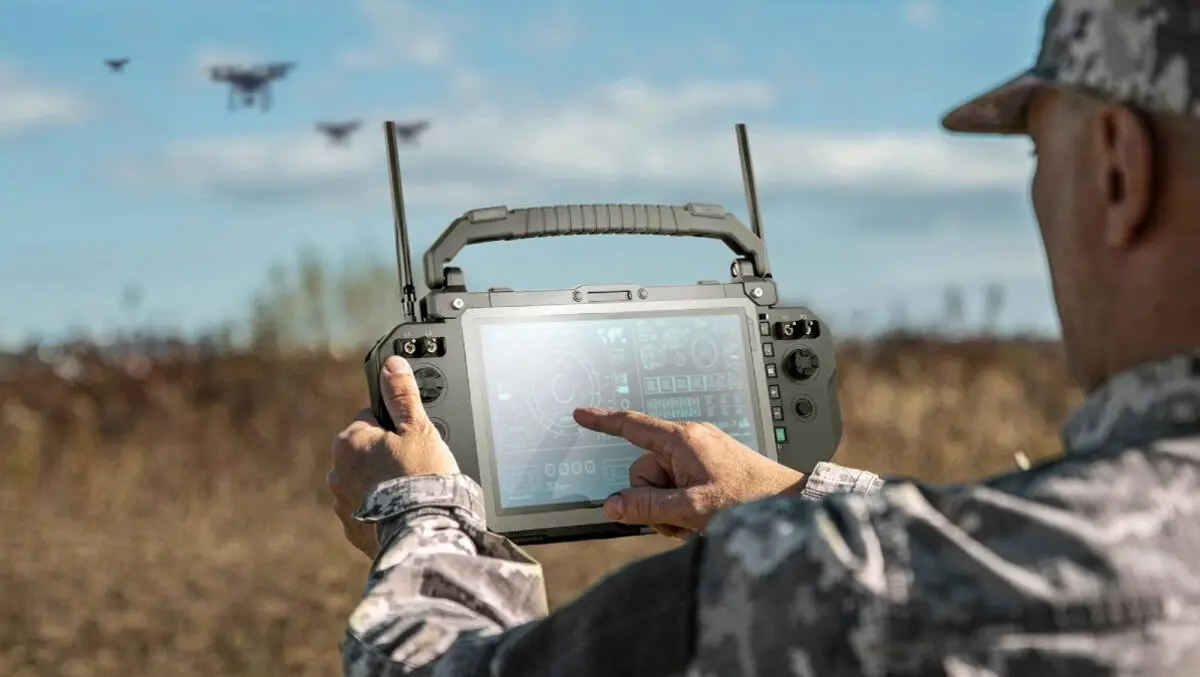
Getac has launched its CommandCore remote drone control system in Australia and New Zealand, targeting defence, public safety and utilities users.
The system centres on a ground control station that can be configured with different Getac tablets, laptops and workstations, along with accessories, payloads and software selected for specific operational needs.
CommandCore is designed to control unmanned aerial, surface and ground vehicles, giving organisations a single setup that can be adapted for tasks across land, sea and air. It can also be tailored for a range of operating environments in Australia and New Zealand, where users often work in difficult field conditions.
Device options
At the centre of the system is Getac's Ground Control Station, the main hub for drone control, data processing and operational settings. Buyers can choose from several existing devices for that role, including the ZX80 Android tablet, UX10 tablet, S510 laptop, B360 laptop and X600 workstation.
The control station is available in several physical formats, including an integrated version with built-in drone controls, a design that separates the computing device from externally housed controls, an office dock setup, and a suitcase-style configuration with dual displays for mobile command-and-control work.
Flexible setup
The modular approach reflects a broader push by technology suppliers to give drone operators more flexible control systems rather than fixed, single-purpose hardware. In sectors such as emergency services and infrastructure inspection, equipment often needs to move between vehicles, offices and field locations while supporting different aircraft and mission types.
Integration focus
CommandCore is intended to work with different drone ecosystems and third-party technologies. It is available on both Android and Windows, which could make it easier for customers to fit it into existing software and operational workflows.
Interoperability has become a central issue for drone operators, particularly in government and industrial settings where organisations may already use aircraft, sensors and mission software from several vendors. A control station that fits into those mixed environments may appeal to buyers looking to avoid replacing broader parts of their technology stack.
Sector demand
Getac is positioning the product at three sectors with growing use of remote and automated systems. In defence, the platform is intended to support intelligence, surveillance and reconnaissance activity from mobile and semi-fixed command posts. In public safety, it is aimed at disaster response and search-and-rescue operations. In utilities, it is pitched for remote inspection of assets such as powerlines, substations, pipelines and railways using automated waypoint guidance.
For utilities operators, remote control systems have gained attention as companies look for ways to inspect widespread infrastructure with fewer staff in the field. Centralised operations can reduce travel to hard-to-reach sites and allow teams to monitor multiple assets from a control room.
Public safety use
Public safety agencies have also expanded their use of drones in recent years for bushfires, floods and search operations, where live aerial information can support decisions on deployment and safety. Defence users, meanwhile, continue to seek systems that can operate across several environments while linking into broader command structures.
Getac is best known for rugged computing devices used by field workers and emergency services. The launch of CommandCore extends that portfolio further into drone operations, where hardware durability, flexible mounting and compatibility with specialist software are important purchasing factors.
Field conditions
The system has been engineered to withstand harsh and unpredictable environments while allowing customers to expand or alter the setup over time as requirements change. That is likely to resonate with organisations seeking to standardise control equipment while leaving room for new aircraft, payloads or software tools.
Australia and New Zealand present a varied market for such products, with users operating in remote terrain, coastal environments and disaster-prone regions. Those conditions can shape demand for field equipment that is portable, resilient and able to function in both mobile command settings and fixed sites.
"As the use of drones becomes increasingly widespread throughout numerous industries around the world and demand for comprehensive remote-control solutions in Australia and New Zealand is also growing significantly," said James Hwang, President, Getac. "CommandCore answers this demand, providing professionals who work in challenging environments every day with a highly customisable rugged control solution they can rely on to get the job done when it matters most."