Personal data stories
Confidence is weakening as 72% of Australians still want access to a government employee during automated services, Gartner found.
A readable cloud backup can expose private chats to breaches, subpoenas and staff, while user-held encryption keeps recovery private.
Global firms need more than GDPR readiness, as India's DPDP Act adds new rules on consent, breaches, children's data and evidence of compliance.
53% of developers and security staff surveyed would hold the security team accountable for flaws in AI-generated code, the team furthest from the code itself.
Drivers can now be alerted about blocked access, damage or lights left on without exposing their phone numbers in public.
Poor retention habits could leave exam providers exposed to compliance breaches, higher storage bills and bigger cyberattack risks.
The low-value charges can let victims unknowingly hand over card details to merchants unrelated to the original message, Norton said.
A new privacy resolution will force firms to prove which AI agents handled personal data, raising the bar for GDPR accountability and audits.
AI can help security teams spot leaks and speed investigations, but CISOs must avoid public models, says SearchInform's Sergio Bertoni.
Holiday messaging on the app is now cheaper in 86 countries, with credit packs cut by at least half until Christmas.
Researchers found every senior AI leader studied had exposed personal data, including phone numbers, addresses and birth dates, raising impersonation risks.
The findings suggest executives at major AI firms face heightened phishing and impersonation risks from easily gathered personal details and family records.
Most firms are failing to give AI the business rules it needs, leaving decisions exposed to misinformation, errors and compliance risks.
Most organisations risk inaccurate AI outputs and compliance failures because only 17% say their systems have the business context needed to guide decisions.
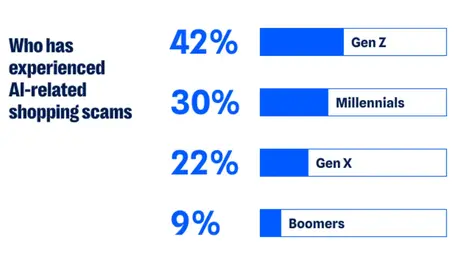
Holiday shoppers are increasingly exposed to harder-to-spot fraud, with 28% of consumers saying they have fallen for an AI-related scam in the past year.
The trade group says the measure would force websites to verify users' ages, collect sensitive data and curb access to online content.
Data breaches and deepfakes are exposing the limits of face and voice checks, forcing firms to move identity proof into devices instead.
India's new privacy rules are forcing advertisers to rely on fewer data points and clearer attribution, or risk overstating returns.
Smaller suppliers may face tougher procurement checks as the UK bill pushes larger firms to prove stronger cyber controls and incident readiness.
AI-driven cyberattacks could now hit smaller businesses and household services at machine speed, widening the fallout from outages and breaches.