Gender Gap stories
While women have made significant strides towards gender equality in the workplace in recent years, gender equality remains a large social issue.
Findings from the Qualtrics study highlight the diverse gender experience gaps that exist in workplaces across Australia and New Zealand.
This year's theme challenges us to deepen our understanding and use it to cultivate a more inclusive and supportive ecosystem.
Entrenched social norms, unconscious biases and a lack of representation of women in senior roles create barriers for women looking to enter the workforce.
As we 'celebrate' another International Women's Day, the time for Australian companies to take action to close the gender pay gap is now.
Women only make up 36% of enrolments in university STEM courses and just 16% of enrolments in vocational STEM courses.
The gender wage gap among employees of SMEs is sitting at 7.5% in favour of men, when comparing median hourly wages.
While DevOps salaries for APAC professionals are behind the curve, there is a significant global increase worldwide.
A new survey from HP has set out to provide perspective on attitudes towards gender bias and roles within the workplace.
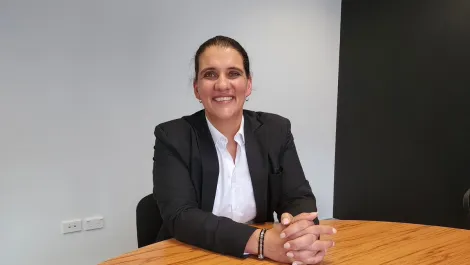
The IT industry needs to prioritize workplace diversity and flexibility to attract more women, says Soprano director Asha Potla.
The #ChoosetoChallenge theme from last year's International Women's Day sparked a remarkable change and saw more diversity in the IT and security industry.
The gender disparity within the information technology sector remains significant; however, some clear steps can be taken to help remedy the situation.
IT Industry Must Act to Attract More Women, as Pay Gaps and Gender Imbalance Persist, says Workplace Gender Equality Agency.
The gender pay gap in Australia persists across industries, including ICT, with a national gap of 14.2%. Women must negotiate for fair pay.
New research reveals that men are unsure how to support gender equality, while women want men to help reduce inequities caused by COVID-19.
As a female technologist from way back, here are pieces of advice that I wish I had known when I first entered the field and my guidance to the next generation.
The rapid normalisation of remote work has made both flexible working and working from home less stigmatised and could ultimately work in women's favour.
Being in a progressive democracy like New Zealand provides an invaluable perspective: generally, women aren't disadvantaged in the workplace.
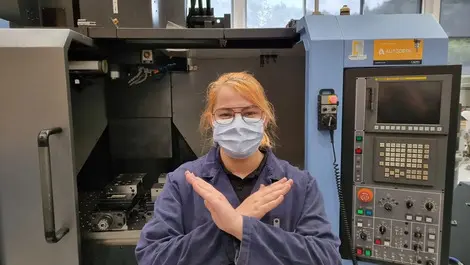
Women hold just 12% of New Zealand trade jobs, as Competenz warns employers must do more to ease shortages and bias.
Men own 31,000 more homes than women in New Zealand, underscoring how the gender pay gap is limiting access to property.