Emergency management stories
Jessica Waters appointed VP, Manager of Climate and Structural Resilience at FM Global, one of the world's largest commercial property insurers.
Federal government officials have their hands full with concurrent crises and indeed, many of these threats require all-of-governmernt mobilisation.
Communities face repeated outages and costly repairs unless planners shift to more resilient, wellbeing-based infrastructure decisions.
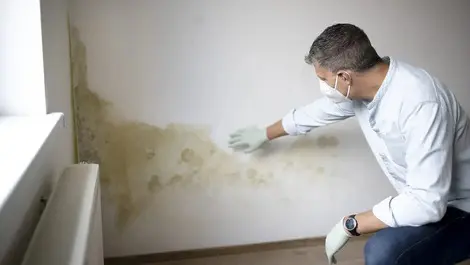
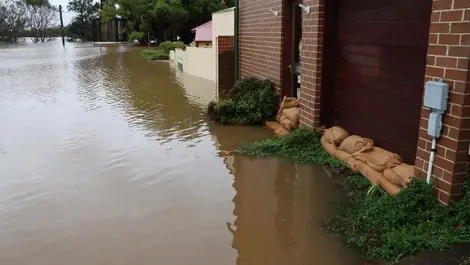
Flood-hit homes must be dried and cleaned quickly, as damp carpet, insulation and leaks can fuel mould and health risks within days.
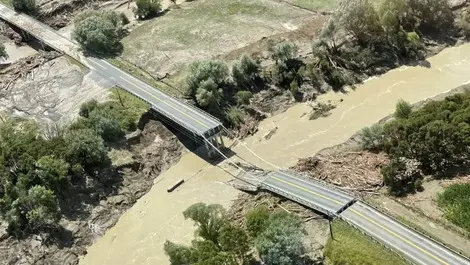
Back-to-back storms are exposing weaknesses in Auckland’s ageing drainage system and testing community recovery after record flooding.
Flood-hit workplaces face electric shock, gas and asbestos risks, prompting WorkSafe to urge staff to speak up before resuming duties.
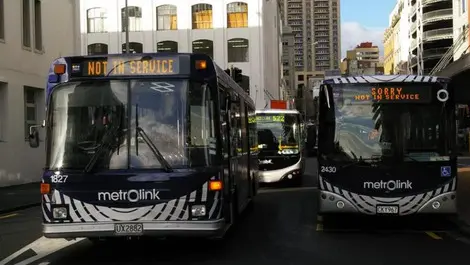
Transport agencies are being urged to improve coordination as unplanned disruptions across multiple modes threaten commuters' daily journeys.
New fibre optic data from Wellington’s quake has given responders far more precise readings of shaking across city blocks and buildings.
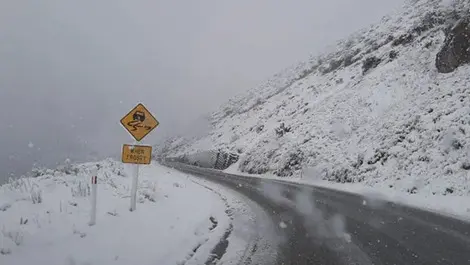
Public access to near real-time snow data should help alpine operators, rescuers and tourists plan for New Zealand winters.
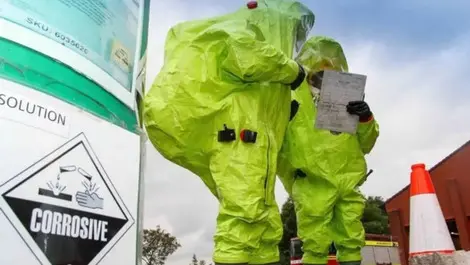
A Chemtrec survey finds 28% of firms under-prioritise chemical emergency response, as most lack C-suite oversight and regular drills.
A new tool could spare communities the disruption of council building closures by helping weigh safety risks against social and economic costs.
Employers must manage remote workers' health and safety risks, including mental wellbeing, with clear communication and home-working policies.
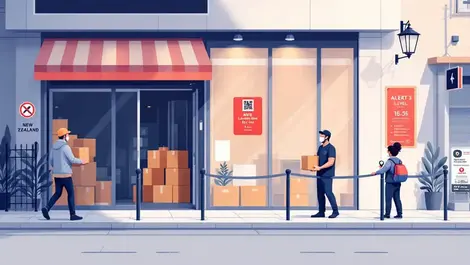
Businesses must shift to contactless operations, remote work and tighter checks as Delta-driven Alert Level 3 curbs customer access.
Smart PPE that stores vital data on the gear itself will help speed emergency response for construction and industrial workers.
Prepared workplaces can cut fatal delays, with alarms, drills and first aid skills helping staff respond within minutes.
Employers in New Zealand are urged to plan for staff isolation, pay and closures as coronavirus risks grow.
Crowds at New Year’s Eve and major events are prompting calls for hidden anti-ram barriers and bollards to secure open public spaces.
Fire crews can now practise dangerous bushfire scenarios more safely and cheaply, without toxic foam or live flames, using virtual reality.
After earthquakes, managers could know within minutes whether buildings are safe, cutting weeks of waiting for engineering reports.
With population growth and climate change mounting, utilities are rolling out new operations, reuse and safety measures to secure future supply.