Digital Identity stories
Selected Queensland customers can now verify their identity at NAB branches by sharing a mobile driver licence, cutting manual checks and document handling.
Online platforms in Australia will have a simpler way to meet tighter age-check rules without collecting extra personal data from users.
Only 7% fully trust organisations with identity data, even as Australians back AI agents for purchases worth an average AUD $200.
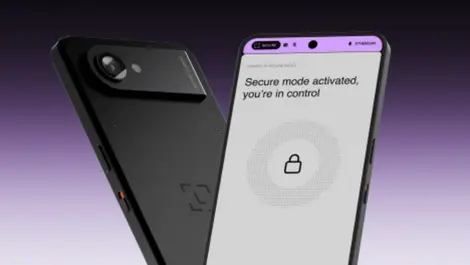
It is aimed at people approving payments, identities and AI tasks on mobiles, with hardware controls designed to block spyware and mistakes.
Banks are using payment cards as trust anchors to link onboarding, wallet enrolment and fraud checks without adding more customer friction.
As organisations roll out passkeys beyond pilots, the alliance gains enterprise input on interoperability, recovery and lifecycle management.
Poorly designed checks can block genuine customers or let fraudsters through, so leaders need a risk-based verification flow that preserves conversion.
The recognition underlines progress in making identity documents resilient to future quantum attacks, despite tight chip constraints and long replacement cycles.
The pilot aims to let shopping bots prove user eligibility for discounts and benefits while keeping personal data hidden from merchants.
The appointment reflects rising demand for tighter access controls as firms in Asia Pacific and Japan adopt AI across legacy and cloud systems.
The enlarged group now serves more than 300 enterprise customers and processes over 110 billion digital interactions a year across four regions.
Businesses can now verify mobile numbers without SMS codes, as Authsignal's new service spans major US carriers and Telstra in Australia.
As attacks increasingly spill across supply chains, policymakers are edging towards treating cyber security as a shared public good, not a private expense.
Most fake hires are exposed only after getting system access, leaving companies vulnerable for days and often weeks before a fraud is spotted.
Financial firms accounted for 41.6% of verified mobile activity in the first half of 2026, as numbers became central to banking and account recovery.
The appointment comes as firms race to secure autonomous AI agents that can access systems and physical infrastructure without human oversight.
Even at Google, only 28% of measured logins used passkeys, underscoring the gap between offering passwordless sign-in and getting users to adopt it.
Banks are backing a framework that could give vulnerable customers help with everyday payments without handing over full legal control.
With 12% of respondents scammed last year, the GSMA says faster case resolution and stronger digital trust are vital for India's next growth phase.
It aims to cut app switching for British users by linking messaging, events, social content and peer-to-peer payments in one place.










.webp)