Australian stories
Australian IT leaders facing tighter governance and cyber risks may gain more automated oversight as blueAPACHE reworks support around business outcomes.
Many Australian companies are still failing to translate rising AI budgets into measurable gains, with 37% showing no meaningful value.
Longer evenings can leave living rooms brighter and increase glare, prompting households to check TV settings before daylight saving starts.
Renters could keep earning card rewards as surcharges and platform changes push more landlords to drop credit card payments.
Lower entry thresholds mean first-time international traders can now earn 2,500 Qantas Points with just an AUD $200 buy order.
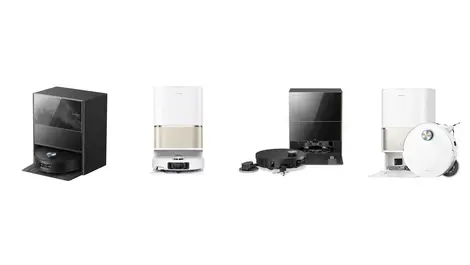
Prices from AUD $2,199 widen Dreame's push into Australia's premium robot vacuum segment, as the company targets harder-to-clean corners and furniture gaps.
Its local range now spans fridges, laundry and connected devices, as the brand seeks to hold shelf space in a crowded market.
Rising café prices are denting demand, with Australians buying 5.9% fewer coffees in 2025 even as the average cup cost climbed to AUD $5.83.
Australia's cyber jobs shortage is pushing employers to judge practical performance and incident readiness more than certificates and titles alone.
Most Australian office seekers now want private networks before signing leases, as cyber security shifts from IT issue to workplace priority.
Renters who rely on card rewards could soon lose that option as one major payments platform stops taking cards, prompting a new alternative.
Hiring is tightening in Australia's east coast states as a AUD $150 billion data centre build-out lifts demand for trades and technical staff.
Yet most shoppers still cross-check AI suggestions on Google or review sites before buying, according to new research.
Businesses can now verify mobile numbers without SMS codes, reducing friction and exposure as regulators tighten rules on text-based authentication.
The open-source model is helping engineers compare digital designs before build-out, and in one Schneider Electric case it cut emissions by more than 40%.
The expanded deal has helped lift revenue 32% year on year as Supanova folds ticketing, marketing and event operations into one system.
The accreditation could help regulated firms in Asia Pacific choose a partner for deploying agentic AI on AWS with stronger governance and security.
The appointment reflects rising pressure on services firms to turn AI from pilot projects into measurable gains for clients and their own operations.
The hire strengthens the Australian consultancy's push into the US as it bids for more supply chain and transformation work.
Yet a steep drop in purchase orders suggests New Zealand health manufacturers are still cautious about inventory despite stronger sales and margins.