Access Control stories
The hire underlines Ledger's push into institutional digital asset security as AI-driven attacks and tokenised assets raise the stakes for breaches.
Australian businesses can now keep access control records onshore as Motorola Solutions adds local hosting to its cloud security platform.
Engineering teams face a governance gap as AI agents begin handling production changes, prompting tighter controls over access, audits and permissions.
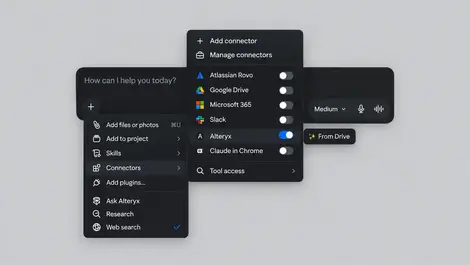
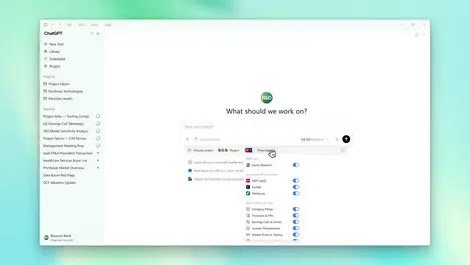
The update aims to cut AI costs and governance risks by reusing approved workflows and data inside tools such as ChatGPT and Copilot.
Mid-market clients should gain broader threat visibility and tighter remote access control as Thrive upgrades its managed security platform.
Security teams face tighter control over cloud and AI access as Okta adds automation to cut manual reviews and curb credential abuse.
The private previews aim to help security teams spot exploitable code chains and connect AI agents to Rubrik's governance tools more safely.
Downstream AI alerts in Australia and New Zealand are rising as agents and MCP links create fresh routes for sensitive data leakage.
The sector faces mounting breach and compliance risk as unmanaged devices, shared logins and stale access undermine campus defences.
It aims to cut manual handoffs in onboarding, access changes and incident response by linking multiple enterprise tools under one AI layer.
Open, interoperable access systems may spare Australian data centres costly upgrades as AI-driven demand and security needs evolve over decades.
Analysts can now inspect AI-generated data changes visually, as Prophecy expands self-service prep tools and adds Snowflake support.
As firms scale autonomous AI, Airrived's new control layer aims to expose agent ownership, permissions, data use and costs.
The award underlines Gallagher Security's 15% annual R&D spend and growing US push, as customers gain simpler upgrades and support.
Businesses are prioritising hybrid, open security systems to protect existing hardware investments while adopting cloud and AI tools more gradually.
Applications can be left unable to connect after database cutover unless server logins are recreated or remapped with matching SIDs.
Personal details for more than 1 million students and families in Australia and New Zealand were exposed after attackers exploited a flaw in an internal tool.
Financial institutions will gain access to licensed market data and governance tools as OpenAI targets research, modelling and client documents.
As staff hand more tasks to AI agents, firms need audit trails and policy controls to stop unauthorised access and risky data moves.
Content teams could cut hours of manual maintenance as Storyblok adds conversational checks for stale pages, links and translations.