

Ping Identity unveils AI framework to boost trust in enterprises
Thu, 18th Sep 2025
Ping Identity has introduced a new artificial intelligence framework aimed at addressing the trust challenges posed by the growth of autonomous AI agents in the enterprise environment.
The company's new framework is designed to ensure that trust and security are central to every digital interaction, allowing enterprises to enhance convenience, improve governance, and pursue new avenues for growth while using AI technology.
Addressing the trust gap
The increase in AI-generated content and autonomous agents has created uncertainties about the authenticity of digital interactions. Peter Barker, Chief Product Officer at Ping Identity, highlighted the concerns:
We can no longer implicitly trust what we see, hear, or receive digitally. As AI becomes more embedded in the enterprise, humans and AI agents must work together seamlessly - with security and verification at the forefront. Our AI solutions accelerate time to value by making interactions more convenient, ensuring continuous trust for a more resilient future.
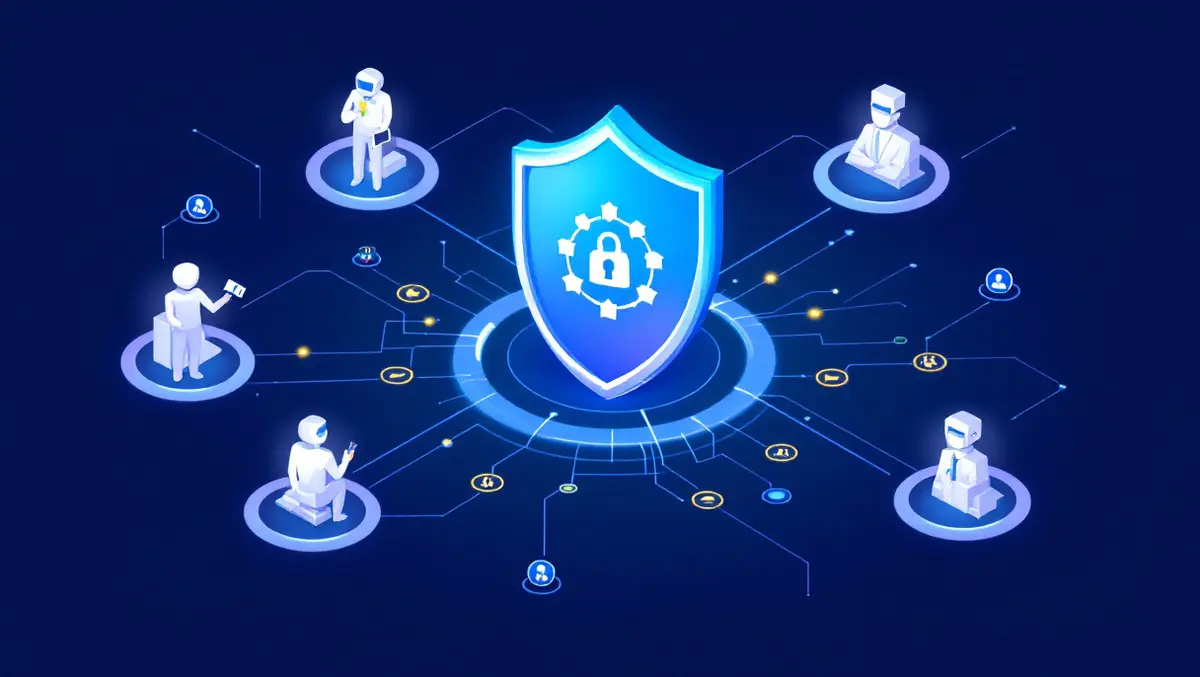
The new AI framework seeks to bridge this trust gap by placing identity verification and oversight at its core. The solution allows companies to reliably confirm the identity of both human and AI agents, manage their access, and implement governance over how agents operate within enterprise systems.
Securing AI agents
Ping Identity's ambition is to help organisations manage the deployment and operation of AI agents securely at scale. This involves issuing unique credentials to agents, distinguishing between legitimate and potentially malicious activity, and introducing approval workflows so that human oversight is maintained.
With these provisions, enterprises can take advantage of increased efficiency and potential new revenue streams offered by AI agents, while maintaining the level of trust that digital interactions require.
Enhancing administrator productivity
In parallel to securing AI agents, Ping Identity is introducing AI-powered assistants for system administrators. These assistants, integrated into the Ping Identity Platform, are intended to help administrators navigate increasingly complex identity management environments.
The assistants offer contextual help, assist in troubleshooting workflows, and provide guidance on orchestrating various processes, thereby reducing operational friction and helping administrators make quicker, more informed decisions. This is expected to contribute to new efficiencies in managing user identities and access controls.
Trust as a foundation
As AI plays a larger role in modern enterprises, identity management becomes critical to establishing and maintaining trust between humans and machines. The latest offering from Ping Identity aims to ensure that as companies scale their use of AI, they do so without compromising on security or user experience.
By bringing together secure AI agent management, streamlined access control, and administrative support, Ping Identity believes that its new framework will become a standard for enterprise trust in the AI era. The company views establishing trust not as a barrier, but as an enabler of ongoing digital transformation.