

Neo4j urges Australian enterprises to rethink SaaS for the agentic AI era
Thu, 31st Jul 2025
"It's not that SaaS is dead. It's that we're no longer constrained by its old rules."
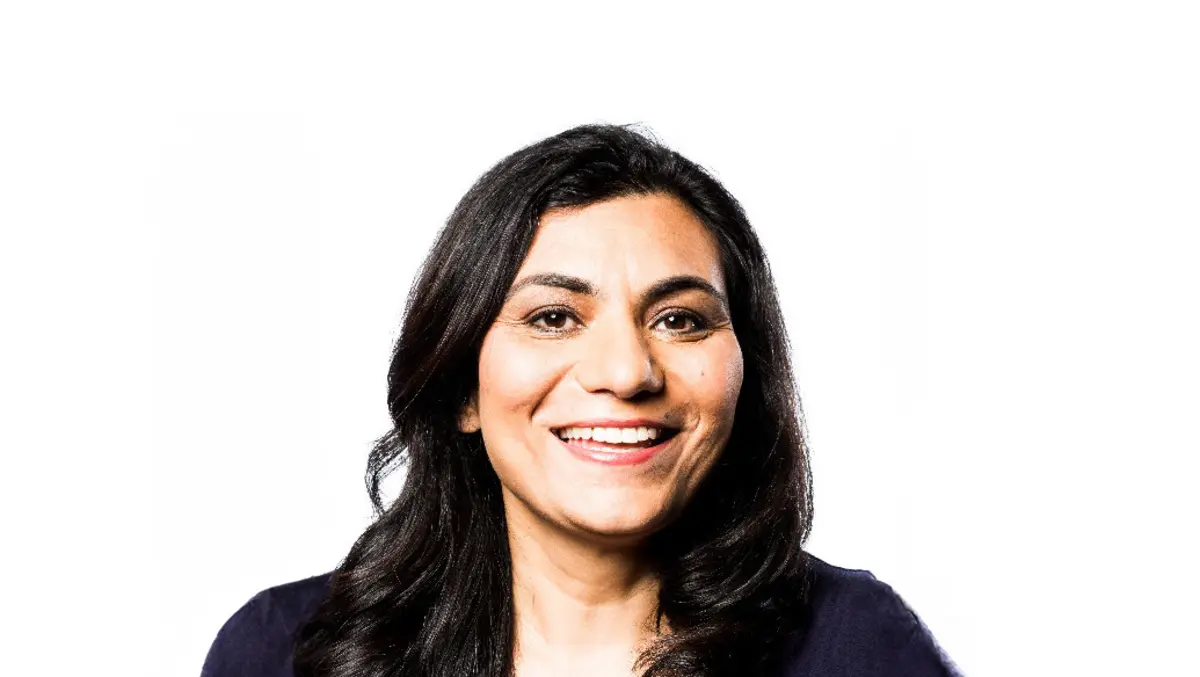
Those were the words of Neha Bajwa, Vice President of Product and Partner Marketing at Neo4j, during the recent GraphSummit in Sydney.
For Australian enterprises navigating the hype and promise of generative AI, she issued a direct challenge: rethink your foundations - because your data architecture may be holding your business back.
As generative AI and autonomous agents become more embedded in enterprise systems, the limitations of traditional SaaS models are coming into sharp focus.
For years, applications followed a familiar blueprint: rigid backend logic layered over relational databases. But that formula is faltering.
"If you want to do something unique, you're limited by what the database allows you to do," Bajwa told the Sydney audience.
"Now, with agentic AI, we're shifting that logic away from the storage layer - and putting it where it belongs: in agile, intelligent agents."
Australian companies have begun experimenting with generative AI, but most are still layering these powerful models on top of outdated, siloed systems. Bajwa argued that this undermines the promise of AI entirely.
"Even today, we're snapping Agent AI on top of relational databases. But if we want to unlock its full potential, we need context-rich data environments," she said.
The solution, according to Bajwa, lies in graph database technology - and Australia is in a prime position to take advantage.
Graph-based systems, and particularly knowledge graphs, enable context-aware reasoning at scale. Rather than just storing data, graphs represent the relationships between data points, creating a semantic fabric that AI agents can traverse and interpret in real time.
Bajwa noted that many of the world's leading AI initiatives - including Microsoft Copilot - are already grounded in this architecture.
"Graphs are built around business logic, around knowledge - and that strengthens your data gravity," she explained.
"It keeps your intelligence inside your organisation, not locked away in a vendor's black box."
For Australia's tech ecosystem, which has been investing heavily in customer intelligence, fintech innovation, and critical infrastructure resilience, Bajwa's examples struck a local chord. She shared how a tax software provider - dealing with data from over 100 million customers - used graph technology to cut threat response time from hours to just four minutes. Another example showed how sales and marketing teams could activate personalisation and churn prevention strategies using just a handful of data types captured in a knowledge graph.
"You don't need everything upfront," she told attendees. "With just five per cent of your data layered into a metadata graph, you can already unlock speed, accuracy, and adaptability."
That adaptability is critical for Australia's dynamic business landscape, where regulatory change, consumer expectations, and global supply chain pressures collide. Bajwa underscored that graphs don't require predefined schemas.
"As new data comes in, the graph evolves. You don't have to remodel everything just because something changed. That's crucial if you want to move fast and stay relevant."
And speed is non-negotiable. Whether you're a major Australian bank, a state agency modernising its digital services, or a scale-up building SaaS for export, the implication is clear: agentic AI demands a rethink of the data layer - and graphs are the engine that can power it.
Bajwa's message to the Sydney audience was more than technical - it was strategic.
"As data leaders, we don't just want to explain what's happening today," she said.
"We want to predict what's coming tomorrow. That's where we become invaluable."
For Australia's business and tech leaders, the takeaway from GraphSummit Sydney was unmistakable: the next leap forward isn't about stacking more AI on top of legacy infrastructure. It's about rewiring your data core with graphs - and doing it now.