

Most organisations lack mature 24x7 security operations
Fri, 2nd Oct 2026
Logicalis has published research showing that 64 per cent of organisations lack mature round-the-clock security operations, while 74 per cent are not extensively using security automation.
The benchmark report is based on responses from 357 IT and security professionals across Europe, the Middle East, Africa and Asia Pacific. It assessed security maturity across ownership, 24x7 response, visibility, threat detection, incident readiness and access to external expertise.
The findings point to a gap between cybersecurity spending and operational readiness. While 39 per cent of organisations manage routine security work effectively, they still struggle to keep up with emerging threats.
The research also found that 63 per cent of organisations are not fully prepared for ransomware attacks, suggesting many businesses still have weaknesses in cyber resilience as threats become faster and more complex.
It found that artificial intelligence is increasing the speed of both attack and defence. In practice, this means less time between the discovery of a vulnerability and its exploitation, putting more pressure on security teams to detect and respond quickly.
Operational gap
The study argues that security maturity now depends less on the number of tools a company deploys and more on whether it can align staff, processes and systems into a functioning operating model. That includes the ability to identify, respond to and recover from incidents continuously.
Demand for outside help also appears to be rising. The research found that 87 per cent of organisations see a positive or potentially positive role for managed security operations centre and managed extended detection and response services.
This reflects a broader need for specialist skills, continuous monitoring, threat intelligence and faster incident response. It also suggests many internal teams are turning to external providers to supplement, rather than replace, in-house security operations.
The survey covered the EMEA and Asia Pacific regions, offering a cross-market view of how organisations are managing cyber risk. Logicalis, a technology and managed services provider, reported annualised revenue of USD $1.7 billion and operates across Europe, North America, Latin America, Asia Pacific and Africa.
Roger Loh, Head of Solutions, Digital Transformation, Logicalis Singapore, said, "The findings show that cybersecurity is no longer simply about deploying more tools. As AI accelerates both cyber attacks and defence strategies, security leaders must focus on building adaptive security operations that combine skilled people, intelligence automation, and continuous response."
Another executive said the results show that spending alone does not determine maturity. Instead, the research points to the importance of coordination across teams and systems, especially for organisations trying to improve resilience against increasingly automated threats.
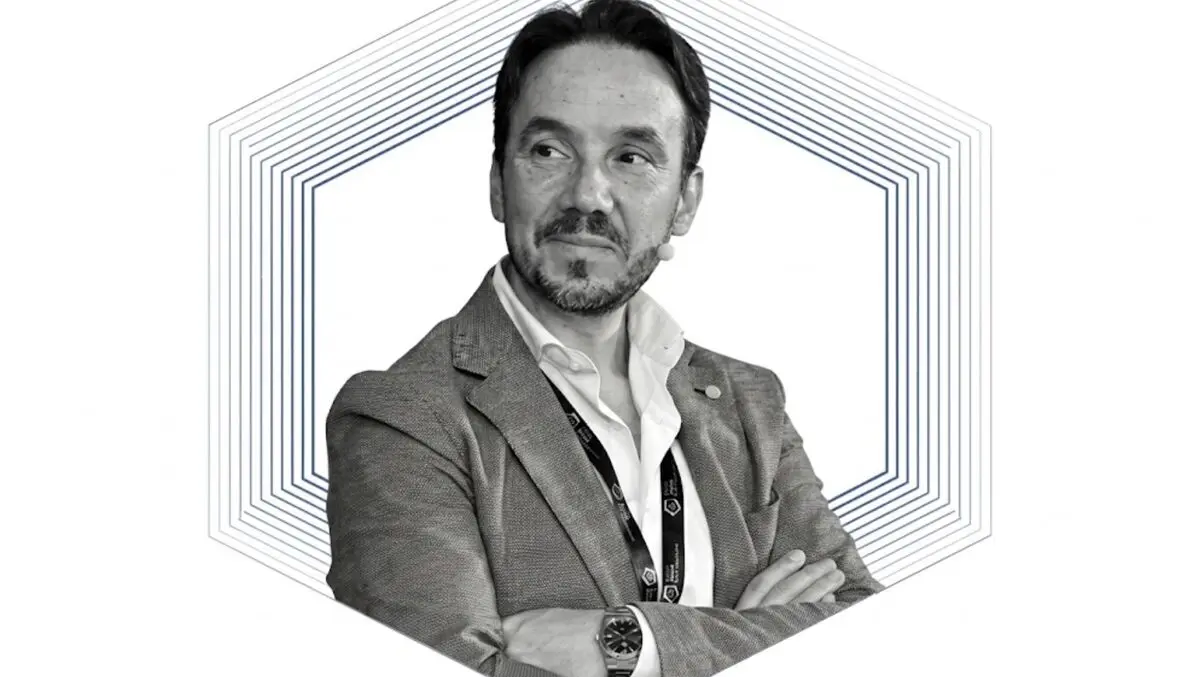
Artur Martins, Chief Information Security Officer, Logicalis Portugal, said, "The organisations closing the security maturity gap are not necessarily those investing the most, but those connecting people, processes, and technology into a coordinated operating model. The research demonstrates that resilience comes from the ability to anticipate, act, recover, and learn. For many organisations, trusted managed security services are becoming a critical enabler of that journey."