

More than 2 million Australian SMEs face cyber risk
Tue, 24th Nov 2026 (Today)
More than 2 million Australian small and medium-sized businesses have little to no protection against cyber risks, according to CGU, citing new research in IAG's Resilient Futures Report.
Only 24% of Australia's 2.7 million SMEs have advanced cyber security protections in place, the insurer's survey found. Yet 78% believe they are protected from scams and cybercrime, despite many not using basic measures such as monitoring accounts, verifying payment requests and keeping operating systems updated.
More than half of SMEs surveyed, 51%, said they had been targeted by scams in the past year. The report said the impact extended beyond direct financial losses to emotional harm, disruption and reduced confidence in using technology.
CGU linked the findings to a broader rise in cybercrime affecting Australian businesses. More than 82,000 cybercrimes were reported nationally in the past year, while the average cost to medium-sized businesses rose 45% to AUD $141,300.
Employee training and access controls were less common than other basic steps, pointing to gaps in routine safeguards even as many businesses say they understand the need for greater vigilance.
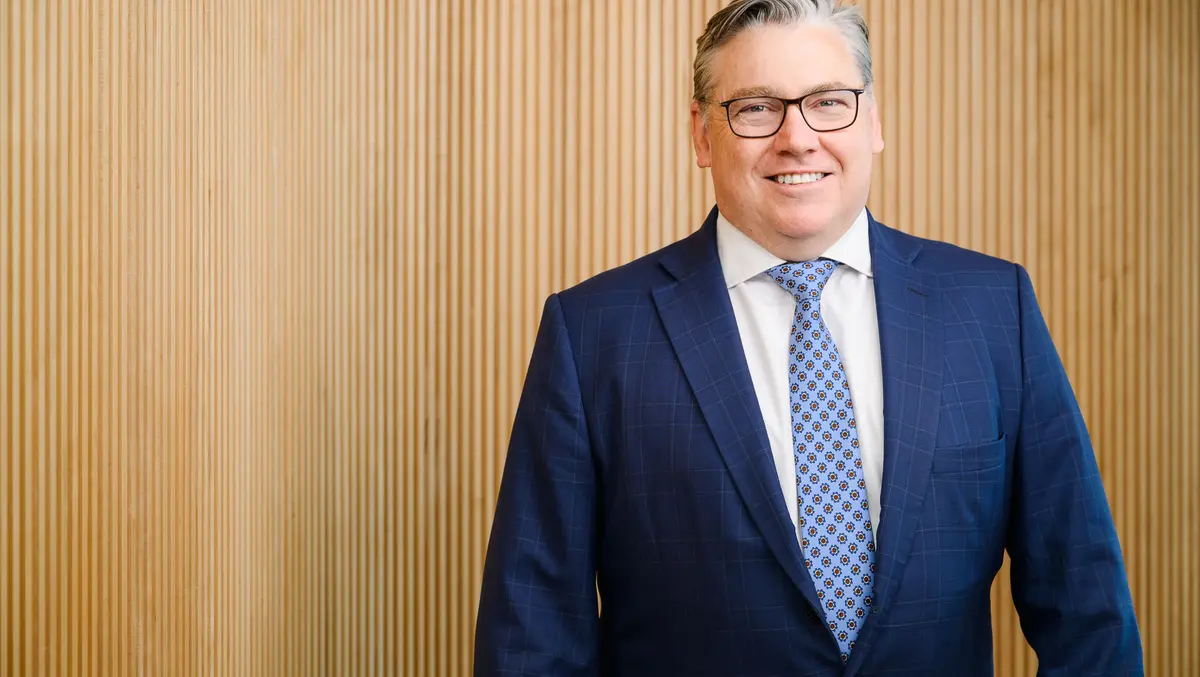
"Cybercrime is a significant and rapidly growing risk to Australian businesses, however, more than 2 million SMEs across the country could be operating without the level of cyber protection needed to withstand today's threat environment," said Jarrod Hill, Chief Executive Officer of CGU.
"What's particularly concerning is the gap between confidence and preparedness. While most businesses believe they are protected from scams and cybercrime, many have not yet put in place the basic safeguards that could significantly reduce their exposure," Hill said.
The report suggests cyber risk is competing with more immediate commercial pressures. While 60% of SMEs said they were considering adopting advanced cyber security protections in future, it was not yet an immediate priority for many respondents.
That pattern comes amid weaker sentiment in the small business sector. SME optimism fell 13 points to 59% in the six months since IAG established its Risk Index, while 58% said they were confident in their financial outlook and 14% reported financial pressure.
The findings also point to a mixed picture for business conditions. More SMEs said they were financially stable and managing well, but expectations for the next 12 months weakened as businesses prepared for more difficult trading conditions.
Cyber insurance also remains uncommon among smaller businesses. The report did not provide a detailed uptake figure, but said adoption was limited.
AI uptake
The research also examined attitudes to artificial intelligence and found SME adoption lagging behind consumers. Some 28% of SMEs said they were using AI, compared with 44% of consumers.
More than half of Australia's SMEs were holding off on new technologies until necessary. Respondents cited adoption costs and the challenge of upskilling staff as the main reasons.
Concerns about AI were closely tied to fraud and trust. Among SMEs surveyed, 57% said they were worried about fraud, while 55% were concerned about AI making decisions based on inaccurate information.
Another 57% said AI use would make their business a target for more sophisticated scams and fraud. The findings suggest hesitation over new tools is linked not only to cost, but also to concerns about security and oversight.
Stephen Kater, Chief Executive Officer of a retail fashion business based in Bondi, said smaller firms were trying to balance the benefits of AI against the risks of exposing sensitive information.
"AI has been fantastic for my business and helps me find information quickly, but I'm always careful when it comes to sharing business or personal information," Kater said.
"If someone asks for bank details or sensitive information, that's when alarm bells start ringing.
"I see huge benefits in AI, but you've still got to be careful about what information you share and who you're sharing it with. There's definitely a long way to go in keeping our data safe."
On cyber security more broadly, Kater said small business owners had to stay alert because they often manage banking, customer and operational information online.
"As a business owner, you have banking information, financial records and business information online, so you need to be vigilant at all times. I've always worried about scams.
"You don't know who is on the other end. One wrong click could jeopardise my entire business and livelihood," he said.