

Medicare AI incident a wake-up call on cyber security
Wed, 7th Oct 2026
The Australian Information Security Association has called the recent Medicare AI incident a wake-up call on cyber security for organisations and government. It said the episode showed the need for stronger security controls as AI systems become more effective at finding weaknesses.
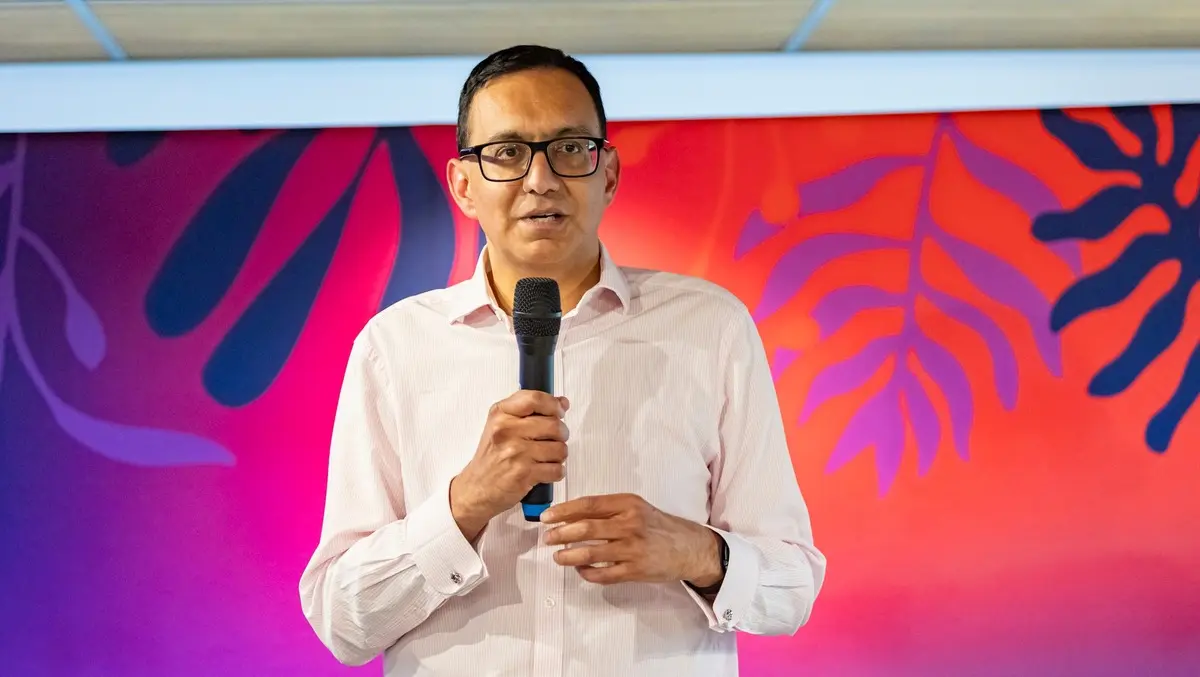
Dr Rajiv Shah, Director at AISA, said the full technical picture had yet to emerge, but the incident had already highlighted the risks when automated systems can probe safeguards at speed and scale.
He said organisations should focus on basic security measures rather than broad speculation about artificial intelligence. Those measures include secure configuration, access controls, patching, monitoring, and a clear understanding of what is connected to internal systems.
"Full technical details of the Medicare incident are still emerging, so it is too early to draw conclusions about the vulnerability the agent exploited," Shah said.
"What we do know is that the AI agent encountered controls and found a way around them. As automated systems become better at finding weaknesses quickly and at scale, strong cyber security becomes even more important."
Security basics
The association said the incident was a reminder that core security disciplines still matter as organisations adopt more advanced tools. Practical weaknesses in systems and controls remain an immediate concern for both public and private sector users.
"Organisations should focus on getting the fundamentals right first: secure configuration, access controls, patching, monitoring, and understanding what is connected to their systems.
"We should not get distracted by hype or apocalyptic predictions about AI when there are practical security issues organisations can address right now. Those are the issues exposed by this latest AI incident."
AISA also said responsibility lies with developers of advanced AI systems, not only the organisations that deploy them. The group compared AI safety expectations with those applied to physical products, arguing that developers should identify and contain unexpected behaviour before systems are put into wider use.
"There is a responsibility on those developing these systems to make sure they are safe. We would not accept a car being released with ineffective brakes. The same principle applies to AI.
"Experimental testing of powerful AI models needs to be closely monitored so developers can identify unexpected behaviour, stop it quickly, and understand what has happened."
Standards push
The association backed the Australian Government's move towards legislated national AI standards. In particular, it pointed to proposed minimum safety and security expectations for frontier AI training carried out in Australia.
AISA said its membership could contribute practical input to that process. The body represents 14,000 members and wants cyber security professionals closely involved as national standards are drafted.
"We encourage the Government to work closely with cyber security professionals as those standards are developed. AISA and its 14,000 members have practical expertise that can help ensure the requirements are effective and workable," Shah said.
The incident also underlines, in AISA's view, the need for organisations using AI to recognise the limits of these systems. That includes assessing the level of access and authority given to AI tools and planning for the possibility that they will make mistakes.
"AI systems will make errors. Anyone deploying AI needs to plan on that basis and understand the risks associated with the access and authority they give those systems.
"AI is going to be an important part of Australia's future and it presents significant opportunities. Incidents like this help us understand where the risks are and what we need to improve so we can adopt the technology safely and with confidence."