

Google Cloud adds cross-region backups for more workloads
Fri, 26th Jun 2026
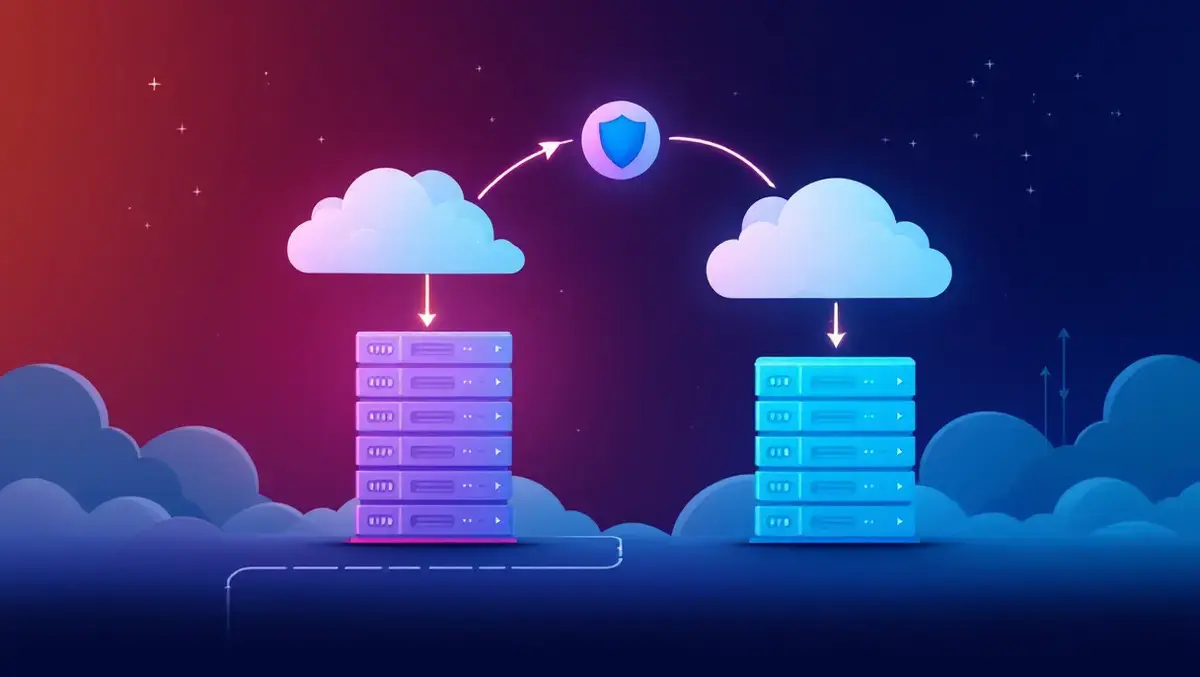
Google Cloud has made cross-region backups generally available in its Backup and DR Service, letting customers store backups in a different region from the source workload.
The release covers Compute Engine instances, Disks, and Filestore. Support for Cloud SQL and AlloyDB will come later.
The update changes how customers set backup destinations in Google Cloud. Instead of keeping the backup target in the same region as the primary workload, users can now send backup data to a separate regional backup vault.
Google Cloud said the change is meant to give organisations another option between single-region and multi-region backup strategies. It positioned cross-region backups as a lower-cost alternative to multi-region protection for some workloads, while still providing a way to recover from a regional outage.
The feature also addresses data residency requirements that can restrict where data may be stored. By letting customers choose a specific secondary region, the service gives them more control over the geographic location of backup data.
How it works
Google Cloud said customers first create a backup vault in a region different from the source resource. They then create a backup plan in the source resource's region, select the vault in the secondary region, and attach the plan to the workload.
Once complete, the Backup and DR Service transfers data directly to the regional backup vault outside the source region. That means the restorable copy is stored separately from the primary workload's region, reducing exposure to a localised outage.
The launch builds on Google Cloud's earlier support for multi-region backup protection. Multi-region backups remain the option for the highest level of availability, but they can require more infrastructure spending than some organisations want for every application.
Cross-region backups are designed to fill that gap. For companies running workloads that do not require a multi-region architecture, the new option provides a way to place recoverable data in another region without adopting a broader multi-region deployment.
Cost and compliance
The commercial case is likely to matter for many customers. Backup strategies often involve a trade-off between resilience, operational simplicity, and cost, especially for businesses that need disaster recovery coverage across several applications with different recovery targets.
Google Cloud said customers can designate recovery regions selectively, which may help them avoid the cost of using multi-region protection for workloads that do not justify it. That model could appeal to organisations trying to align backup spending more closely with the importance of individual systems.
Compliance is another factor. Data residency rules in some sectors and jurisdictions require firms to keep data within defined national or regional boundaries, which can complicate backup planning when resilience measures involve moving copies across locations.
By choosing the region where backup data is stored, customers may be able to structure backup policies that align more closely with internal governance rules and external regulatory obligations. The service is presented as a way to support those requirements while still creating separation from the source region.
Wider context
The move reflects a broader trend among cloud providers to offer more granular recovery options as customers refine disaster recovery strategies. Rather than relying on one model for all systems, many large organisations now separate workloads by criticality, cost tolerance, and regulatory constraints.
That approach has increased demand for backup tools that can be tailored at the workload level. Services that let customers choose where backup copies are stored, and how far they are separated from production systems, are becoming more important as cloud estates grow more complex.
In Google Cloud's backup portfolio, the release adds another option between high-availability designs and lower-cost regional approaches. It gives customers a way to keep backup data outside the source region without committing every protected workload to a multi-region model.
The feature is now available for Compute Engine instances, Disks, and Filestore, with database support for Cloud SQL and AlloyDB still to come.