

Flat network blamed in Victoria education cyber breach
Fri, 16th Jan 2026
Claroty has raised concerns about the network architecture used by Victoria's Department of Education after a cyber incident that affected student data.
Network design
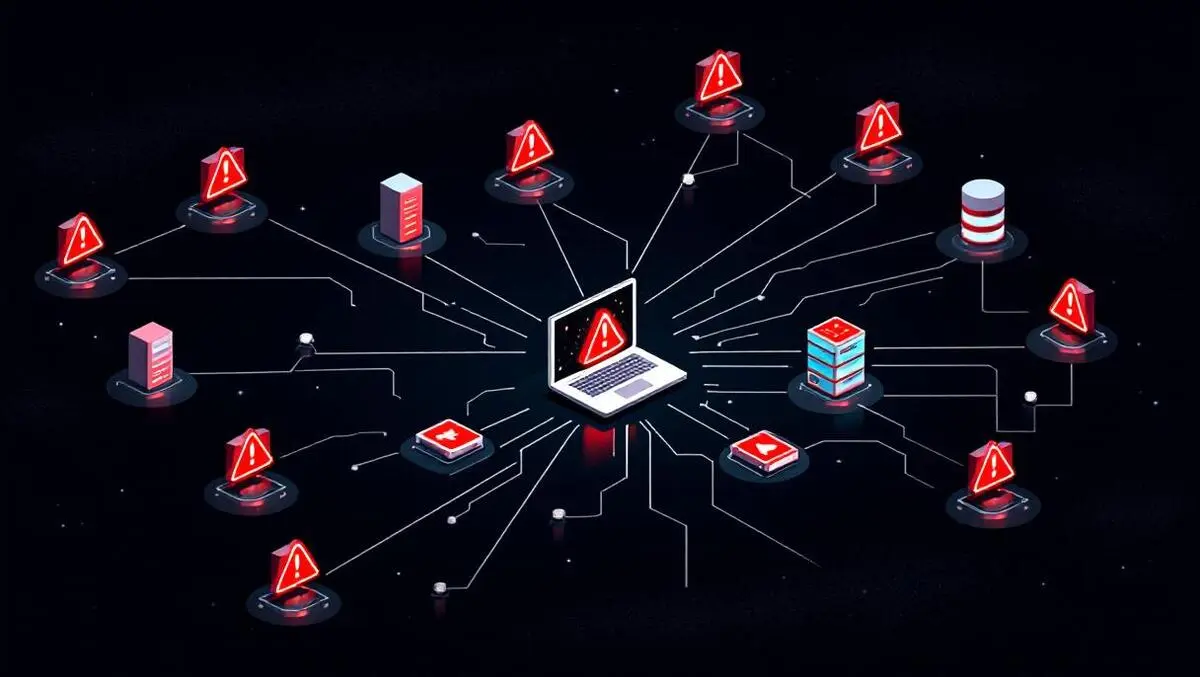
Jason Pearce, Field Chief Technology Officer, APJ at Claroty, said available information about the incident pointed to risks associated with a "flat network" design. In a flat network, systems sit on the same level without internal separation that can limit an intruder's movement after an initial compromise.
The incident has been described publicly as involving a "limited dataset" breach. Pearce said the more significant issue lay in the location of the data accessed and what it suggested about connectivity between systems.
"The recent cyber incident impacting Victoria's Department of Education has been described as a "limited dataset" breach. From the information available, the incident reveals a far more alarming reality: the state's education network appears to be suffering from a potentially catastrophic "flat network" architecture," said Jason Pearce, Field Chief Technology Officer, APJ, Claroty.
Entry point
Pearce pointed to the possibility that attackers entered through a single point of weakness, then reached broader datasets held centrally. He said the outcome indicated a path from an initial breach to a database with statewide coverage.
"The most critical detail is not what was stolen, but where it was stolen from. It appears hackers utilised a vulnerability in a single-entry point to access a database covering every student in the state," said Pearce.
Zero Trust
Pearce referenced Zero Trust approaches. These typically treat internal networks as untrusted and apply controls that limit access between systems unless explicitly permitted. He said that model made broad access from a single breach less likely.
"In a modern "Zero Trust" security environment, this should be near impossible. A breach at a single school should be contained to that school's specific server instance," said Pearce.
Segmentation focus
Pearce also highlighted network segmentation. Segmentation separates systems into zones and restricts traffic between them. Organisations use segmentation to limit the impact of a compromised account, device, or service. Pearce said internal barriers would stop an attacker moving from an initial entry point to other parts of the environment.
"In a flat network, once there is a breach of the perimeter, there are no internal barriers preventing them from jumping to central databases. In a properly segmented network, internal "firewalls" would trap the attacker in the initial compromise zone," said Pearce.
Education systems often span schools, administrative offices, shared applications, and third-party services. They also hold large volumes of personal information, which can make central stores of identity and enrolment records attractive targets for criminals.
Pearce said the incident looked less like an attacker overcoming advanced controls and more like weaknesses in how the environment was structured and separated.
"This appears to be a structural failure, not a sophisticated heist. By centralising data without adequate internal segmentation, the Department created a high-value target where a single loose brick brought down the entire wall," said Pearce.
The comments add to a broader debate across government and critical services about how agencies design networks that connect large numbers of endpoints while limiting lateral movement during an intrusion.
Security teams have been increasing focus on reducing the "blast radius" of incidents. That work often includes access controls, segmentation, monitoring, and secure configuration of internet-facing services. Pearce's remarks suggest the Department's education network may require changes in that direction if the incident reflects underlying architecture choices.
"In a modern "Zero Trust" security environment, this should be near impossible," said Pearce.