

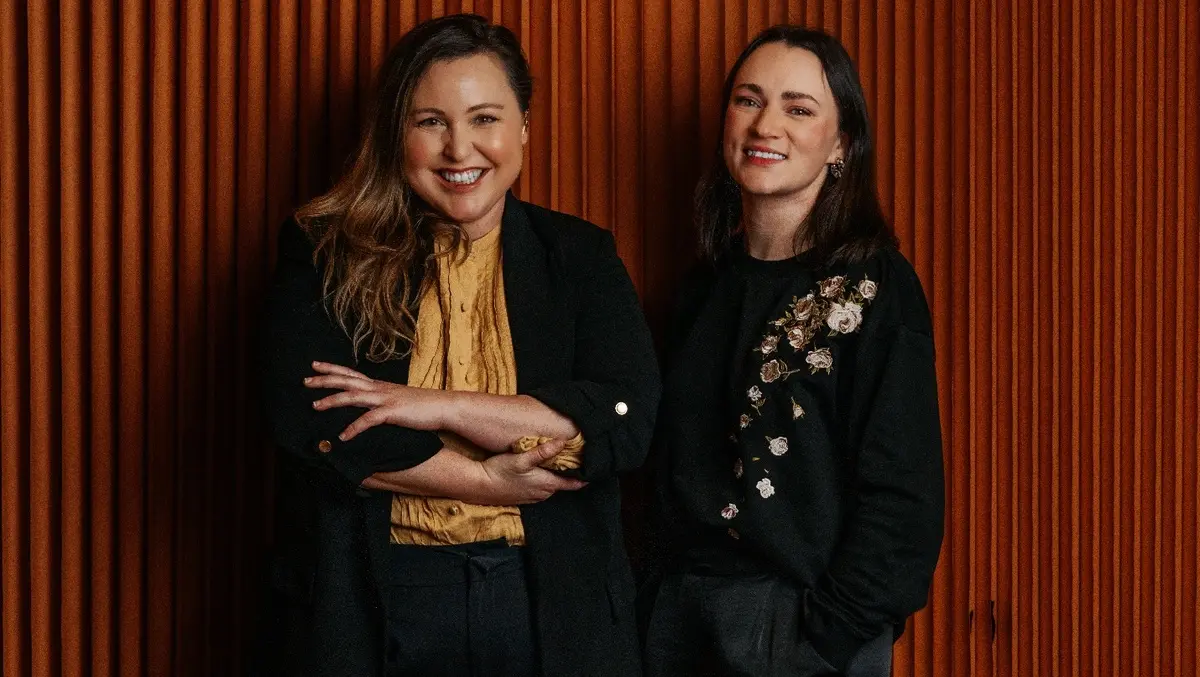

Australia's fractional leadership market has reached 1,015 leaders, according to research from The Fractional Directory. The sector has expanded within a year of the company beginning to map it in Australia.
The research defines a fractional leader as a founder or senior executive who joins a company's leadership team on a part-time basis for three months or more and is directly accountable for outcomes. These leaders are concentrated in specialist roles including Chief Marketing Officer, Chief Financial Officer, General Counsel and Chief Information Security Officer.
The report points to lower costs for smaller businesses using part-time senior executives instead of making a full-time hire. It found that two days a week of a senior fractional leader costs about AUD $110,400 a year, less than half the median full-time Chief Financial Officer salary for an SME in Sydney.
Leaders working three days a week earn about AUD $165,600, close to a full-time executive salary but spread across several companies rather than tied to one employer.
Geographically, Sydney accounts for 49% of Australia's fractional leaders, while the remaining 51% are based in Perth and elsewhere in the country. Most work with several businesses at once and often combine board roles, embedded leadership, consulting, advisory work and coaching.
Michelle Allbon, Chief Executive Officer and Co-Founder of The Fractional Directory, said the market had moved quickly. "Within a year of mapping Australia, we've found more than 1,000 fractional leaders. Flexible leadership has become a high-value option for Australian businesses, and the market is ready for even more businesses to engage. Many of Australia's fractional leaders have built deep expertise in a particular field, and they bring practical skills that many businesses can't afford to hire full-time. That experience lifts business growth and productivity and, if leveraged correctly, the same for the Australian economy," Allbon said.
A market of specialists
The data suggests companies usually appoint a fractional leader for a single function rather than a broad leadership brief. By industry experience, legal, operations and people leaders were the most likely to have worked across several industries.
Allbon said businesses were looking for targeted expertise. "Australian businesses look for people who know their field when they face a specific challenge, whether that's marketing, finance or security. Fractional leadership lets them bring in that expertise for as much time as they need," she said.
More than one in 10 of Australia's fractional leaders are listed as Chief Financial Officers, pointing to growing acceptance of part-time executives in roles involving direct oversight of a company's finances.
Allbon said that trend had widened access to senior talent for smaller companies. "For start-ups and SMEs, that means experienced leadership that once required a full-time executive hire is now available a few days a week, depending on their challenge or stage of growth. For fractional leaders, a growing market offers more opportunities to work with several businesses at the same time, leveraging the careers they've built," she said.
AI roles
The report also highlighted growth in AI-focused executive work. It said the Fractional Chief AI Officer emerged in the previous year's research and now forms part of a broader shift in technology leadership.
Among Australian leaders using the Chief AI Officer title, half help companies identify where AI can offer a competitive edge, while around four in 10 also develop an AI strategy and roadmap. The study added that AI work is not limited to dedicated AI titles, with nearly four in 10 Chief AI Officers also holding a second role, often as Chief Technology Officer, Chief Operating Officer or product leader.
Across all roles, identifying AI opportunities now ranks fifth among the outcomes offered by fractional leaders. The report said building and executing AI strategy remains a specialist task, while spotting AI opportunities is becoming a broader leadership skill.
Allbon said the structure suits businesses that do not want a permanent appointment in a fast-changing area. "For most companies, a full-time Chief AI Officer is hard to justify, as the role is expensive, hard to hire and its scope keeps changing. Fractional leadership gives a company C-level AI and tech leadership with accountability," she said.
Hiring decisions
Many fractional leaders are hired to deliver change-related outcomes, including helping founding teams through periods of growth, pivots, restructures and deals. One in five Australian leaders offers two roles, reflecting a market in which companies often seek expertise in a defined area.
Allbon said businesses should begin with the problem they want solved. "Every Australian business needs experienced leadership to grow. What matters is having the right people in the right jobs for the right amount of time. With more than 1,000 fractional leaders, there's now an option for almost every seat. We're building the standards that let businesses compare leaders by capability and choose them with confidence, and we see that as one of the quickest ways to lift productivity across Australian businesses," she said.