

Akamai buys LayerX to curb employee AI use in browsers
Fri, 15th May 2026
Akamai has agreed to acquire LayerX in a deal that values the company at about USD $205 million.
The transaction brings browser-based AI usage controls into Akamai's security portfolio as companies look for ways to monitor how staff use generative AI tools, SaaS AI services and autonomous agents at work.
As more work shifts into the browser, security teams face a growing challenge: employees are increasingly interacting with large language models, web-based assistants and AI features embedded in everyday applications. LayerX's technology is designed to give customers more visibility into those interactions at the point where they happen.
Its software works with mainstream browsers, rather than requiring companies to move staff to a dedicated enterprise browser. That is intended to let organisations preserve existing browsing habits while adding controls over web content, prompts, file uploads and SaaS application use.
The technology can also be used with newer agentic browsers, including Atlas and Comet. This reflects a broader shift in corporate software use as AI tools become embedded directly into browser environments rather than remaining in separate applications.
For Akamai, the purchase adds another layer to its Zero Trust strategy. It will sit alongside the company's existing Zero Trust Network Access tools, protections for AI applications at runtime and segmentation for AI inference workloads.
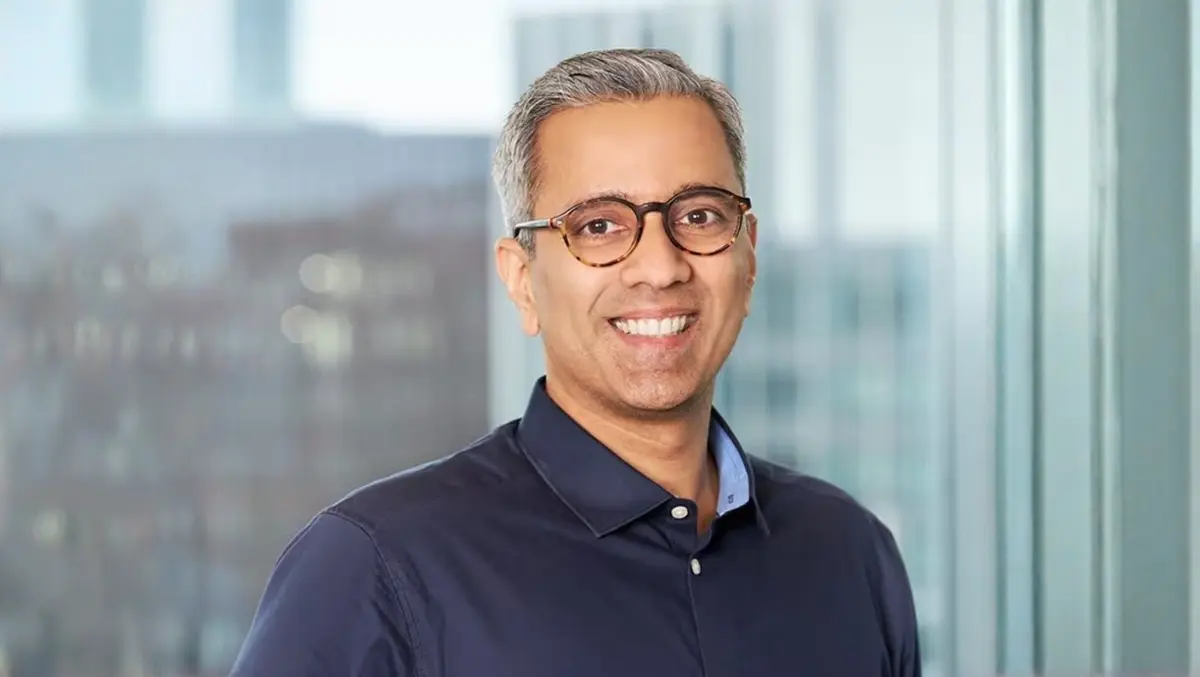
Mani Sundaram, Executive Vice President and General Manager of Akamai's Security Technology Group, said the deal responds to customer demand for tighter controls over employee AI use.
"Our customers are adopting AI at record speed, and they're telling us the same thing: Their existing controls cannot see how employees are interacting with AI tools and sharing with large language models," Sundaram said. "The acquisition of LayerX helps close that gap, providing Akamai with a control layer that governs AI at the point of use so enterprises can move at AI speed without compromising safety and compliance."
Browser focus
Much of the current debate over AI security has centred on model safety, infrastructure protection and access controls. Akamai argues that the browser has become a key blind spot because it is where employees often paste prompts, upload files and engage with external AI services.
That matters for companies worried about confidential information leaving their systems through everyday worker behaviour rather than through a conventional breach. Security leaders are also under pressure to avoid introducing controls that slow staff down or force changes to established workflows.
According to Akamai, LayerX has focused on that gap by building browser-native controls that can monitor user activity without requiring infrastructure changes. Akamai believes this should help customers add oversight while limiting disruption for end users.
Tel Aviv hub
After the deal closes, LayerX employees, including co-founders Or Eshed and David Vaisbrud, are set to join Akamai's Zero Trust organisation. The transaction marks Akamai's fourth cybersecurity acquisition in Tel Aviv in the past five years, extending its research and development footprint in Israel.
The deal also gives LayerX access to a much larger installed customer base at a time when demand for AI governance products is rising. Larger cybersecurity vendors have been positioning themselves around AI-related risks as customers seek ways to balance adoption with policy and compliance requirements.
Akamai expects LayerX to reach annual recurring revenue of about USD $10 million by the end of the year. The acquisition is also expected to reduce Akamai's non-GAAP earnings per share by about USD $0.12 for the fiscal year.
Those figures suggest the strategic rationale outweighs the near-term financial contribution. For large security vendors, smaller acquisitions in emerging categories often serve to fill product gaps quickly rather than add immediate scale.
Or Eshed, chief executive officer and co-founder of LayerX, said the company sees enterprise AI use as a central security challenge.
"Securing human and agentic AI usage has become one of the defining challenges in enterprise security," Eshed said. "We're giving enterprises the foundation to deploy AI safely at a global scale by bringing LayerX's technology together with Akamai's Zero Trust portfolio and the world's most distributed edge platform. We are thrilled to have the opportunity to accelerate our security vision through this deal."