Clients in regulated sectors may benefit from lower AI compliance risk after Probe Group completed independent certification across all its brands.
Customers across Australia and New Zealand can now cut Oracle and SAP support bills as Datacom resells Rimini Street services.
Australian retailers are set to benefit as Zendesk's new tools aim to settle orders, returns and refunds with fewer hand-offs.
Organisations risk weakening security and productivity if AI is used to replace IT expertise rather than support training and oversight.
Growing scrutiny of autonomous systems has prompted the Cloud Security Alliance to place veteran strategist Troy Leach in charge of its AI safety foundation.
Fake candidates and AI-written applications are exposing how weak resume screening is, forcing employers towards work samples and live verification.
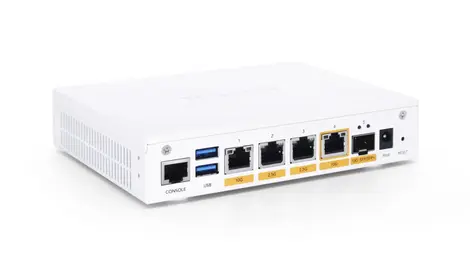
Mixed fibre and copper networks get a single security hub as the new appliance targets small businesses and advanced users for USD $759.
Enterprises handling sensitive data can now use OpenMatter's platform to manage AI models, protect secrets and run privacy-preserving machine learning.
As firms scale autonomous AI, Airrived's new control layer aims to expose agent ownership, permissions, data use and costs.
AI is set to shrink junior SOC roles and raise costs unless firms phase in autonomous defence carefully, experts warn.
Firms risk losing aerospace and defence contracts unless they can show tighter quality, traceability and data controls under AS9100.
Trust from Asia Pacific security practitioners was reinforced as SonicWall won two CybersecAsia awards and joined the Hall of Fame.
Eligible Australian investors could soon gain access to tokenised products as Openmarkets and Ondo test new offerings within local regulations.
Public sector leaders face mounting pressure to modernise as AI, cyber risks and tighter budgets reshape government services.
The deal will give more than 70,000 students and staff institution-backed AI access, alongside safeguards and AUD $1 million for sustainability research.
APIs are now a major attack surface, making shared context between developers and SecOps vital to spot real threats and avoid false alarms.
The ranking bolsters its pitch that enterprises need centralised controls as AI adoption widens attack surfaces across cloud and on-premise networks.
More than 100,000 small businesses are now in privacy regulators' sights as tougher rules push demand for cheaper compliance tools.
Older systems may leave Australian firms unable to meet CDR demands, while modern data architecture is becoming crucial for real-time AI use.
Businesses are prioritising hybrid, open security systems to protect existing hardware investments while adopting cloud and AI tools more gradually.



.webp)